
A Cultural Icon
Defining a genre is easier in a medium that is fairly new but continuing to do so for three decades is no small feat. A discussion about action adventure video games is incomplete without invoking Tomb Raider. It is to adventure games what Street Fighter is to fighting games, Age of Empires to strategy, and Need for Speed to racing. Lara Croft, an orphaned British aristocrat and the titular Tomb Raider, who travels the world in search of lost treasure has enthralled many with her daredevilry. Tomb Raider defined the genre not just with daredevilry for the sake of it, but by giving meaning to those mechanical feats with narrative impetus. Whether Lara is dodging treacherous traps or outwitting secret societies or seeing ancient myths come to life, an effort was made to have these sequenced to tell (mostly) coherent stories. These games, the first of which released in 1996, certainly pioneered 3D movement in video games but doing so to tell tall tales and thereby pushing the boundaries of the medium is why they are considered genre defining.
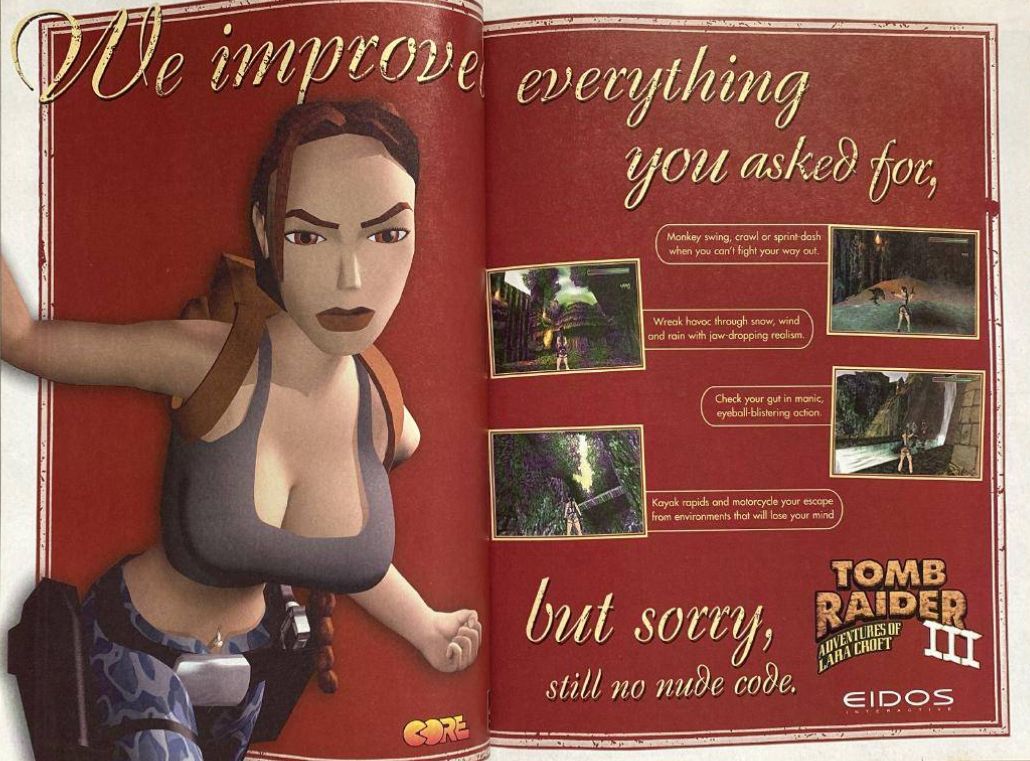
The first game, simply titled Tomb Raider, was a technical marvel that showed the appeal of incentivizing precise player inputs to navigate challenging 3D environments. These 3D environments grew progressively more complex as the story advanced with the latter dictating the presentation of said environments. This formula of interactive storytelling influenced game design to such an extent that it is now near ubiquitous in single player 3D games. But what truly established Tomb Raider as a cultural phenomenon was its protagonist, Lara Croft. The swashbuckling femme fatale with a posh accent was an instant hit and not least because of her sex appeal. Unlike today, gamer demographics in the 90s were dominated by young men and the advertising took full advantage of that knowledge. I can’t imagine Lara Croft not leaving an impression on most adolescent boys.

Reinvention
Unfortunately I did not have the pleasure of playing any Tomb Raider games until the series reboot, also titled Tomb Raider, was released in 2013. This was after an interregnum during which it had been dethroned by new upstarts in the genre such as Uncharted and Assassin’s Creed. There seems to have been a clear acknowledgment behind the scenes that the formula needed revitalization. This resulted in a reboot with modernized gameplay that tapped into some prevalent industry trends, most notably established by said upstarts. Gone also was the confident, seemingly invincible aura that the old Lara Croft projected. The reboot tried to imagine her first real adventure and what it would take to grow into the heroine everyone knew and admired. Most notably diminished, however, was the emphasis on her sex appeal. The tone was now earnestly serious in contrast to the tongue-in-cheek frivolity of the early titles. Her design exemplified it too; she was now depicted as a normally proportioned woman outfitted in clothes that made sense in the context of the story and setting.
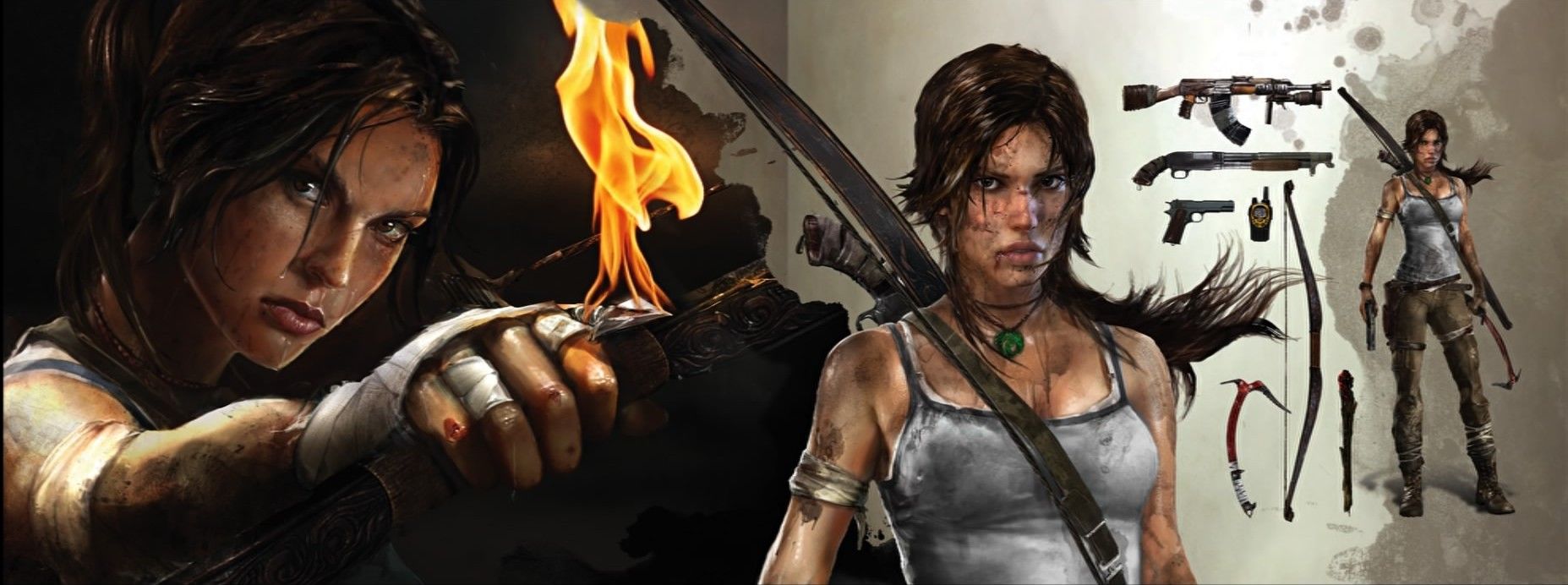
Image credit: Crystal Dynamics group of companies
The game was a critical and commercial success and a roaring return to form for a beloved video game icon that had languished in obscurity for a while. Adapting the franchise for a maturing audience while keeping the essence of what made it iconic in the first place proved to be a wise choice. Exotic landscapes, devious enemies, frenetic action now in beautiful high definition served as the backdrop for this adventure and it emerged as the pinnacle of action adventure video games of the early 2010s era. I’m sure this new visage of Lara Croft managed to charm millions of young men, as is tradition. But it wasn’t so much her physical beauty or her wit that did so this time. The game gently brushes aside the temptation to objectify her and instead provokes a different desire in the player – a desire to have this heroine endure, survive, and prevail. For long time fans, I imagine it must have been intriguing to see Lara unsure of herself. For new fans, seeing this dainty figure desperately fight back demons – within and without – must have helped them connect to this character, if for no other reason than to want to protect her. In my opinion, it was a thoroughly entertaining game that promised great things for our beloved heroine.
The 2013 reboot was followed up by 2 sequels in quick succession; Rise of the Tomb Raider in 2015 and Shadow of the Tomb Raider in 2018. This was a remarkable achievement because ever since the early 2010s, video game development cycles have started stretching out beyond the 5 year mark. Releasing 2 sequels in the span of 5 years is indicative of good project management and the developers deserve kudos for it. Something that bears mentioning here: Crystal Dynamics developed the 2013 reboot and the 2015 Rise of the Tomb Raider. Its sister company, Eidos Montreal developed the 2018 Shadow of the Tomb Raider. This third game is of particular interest to me.
Shadow of the Tomb Raider
Every installment in the reboot trilogy is a chapter in Lara’s journey to become the Tomb Raider that she was destined to become. This also means that each title is limited in how much ‘growth’ it can give her, particularly in how she conducts herself in challenging situations. Indeed, they called it the “survivor trilogy” with the implication being that these 3 games were just episodes in an overarching story forging her original persona. Although each game’s finale teases her transition into the dual pistol wielding Lara Croft of old, it doesn’t ever happen. Instead with each passing finale we are still left with an awkwardly unsure heroine, just incrementally wiser. This was a criticism leveled at the trilogy by some and I do believe there’s merit to it. Another was that the series had become too focused on setpiece gunfights and less on the adventure and puzzle solving that were the hallmarks of the old games. This is accurate too, especially for the first 2 games in the reboot trilogy. Not at all, however, for Shadow. That the 3rd game feels so different compared to the previous two makes sense, given that it was developed by a sister company. The basics of the gameplay remain the same, but there are a myriad of changes, big and small, that I believe have come together to make one of the best adventure games of all time.
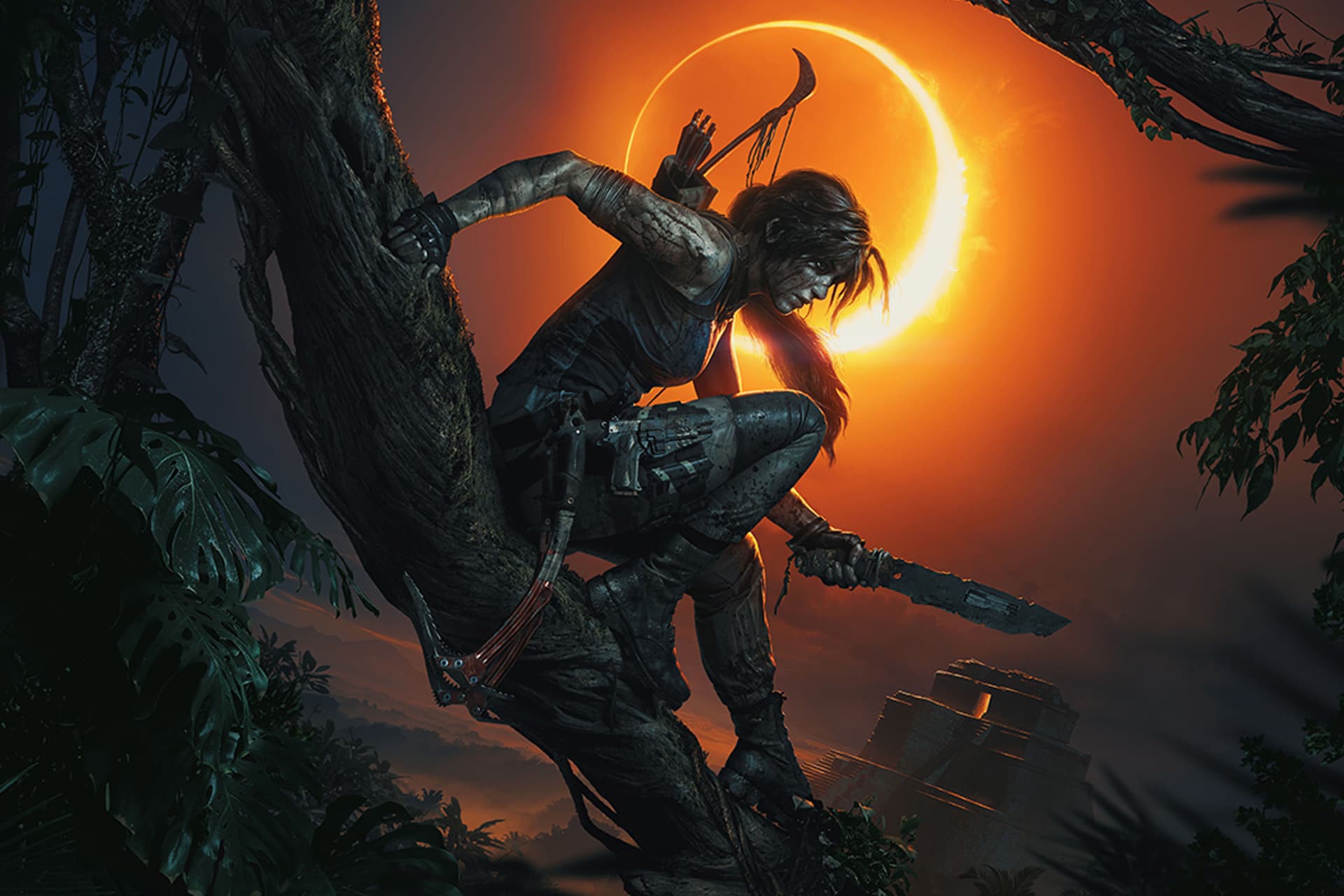
Image credit: Crystal Dynamics group of companies
The story revolves around Lara’s quest to prevent the ‘death of the Sun’ and the ensuing apocalypse. The ruins and legends of Meso and South American civilizations serve as the canvas for this grand adventure. Lara Croft, as expected, accomplishes thrilling feats of valor. The gameplay is a mix of exploration, platforming, puzzle solving, and combat. It’s all standard fare as Tomb Raider games go but what sets this one apart are three things:
- Lara’s mastery over her emotions
- The interweaving of myths, history, and the present
- The emphasis on exploration and quintessential tomb raiding
The Heroine
In my musings on heroism I wondered whether it is exemplified by having the courage to do the right thing even when there is no hope of succor. The previous two adventures in Lara’s journey pondered how being orphaned traumatized her. With the loss of or betrayal by every succeeding mentor figure, she grew ever more paranoid often at the detriment of the task at hand. Critics have called her portrayal as ‘whiny’, idealistic, irrational. Some of these criticisms are warranted but they can be excused by noting that these are natural reactions from an orphaned girl put into high pressure situations. Lara continues that streak at the beginning of the third game but certain events early on seem to bring an abrupt change to her outlook. The realization that the world does not revolve around her and that the duty to do the right thing is reason enough to do it, without resorting to messianic zeal borne of personal trauma, seemed to snap her out of her despondence. After that point, gone are her outbursts, panic attacks, and propensity to relapse into naivete. She stays grounded by focusing on the bigger picture. Her calmness under pressure inspires friends and new acquaintances. She takes charge of the situation without seeking to control what others choose to do. Seeing this emotionally vulnerable girl steel herself and brave the dangers of her mission with quiet determination was inspiring. I couldn’t have asked for a better capstone to this hero’s origin story.
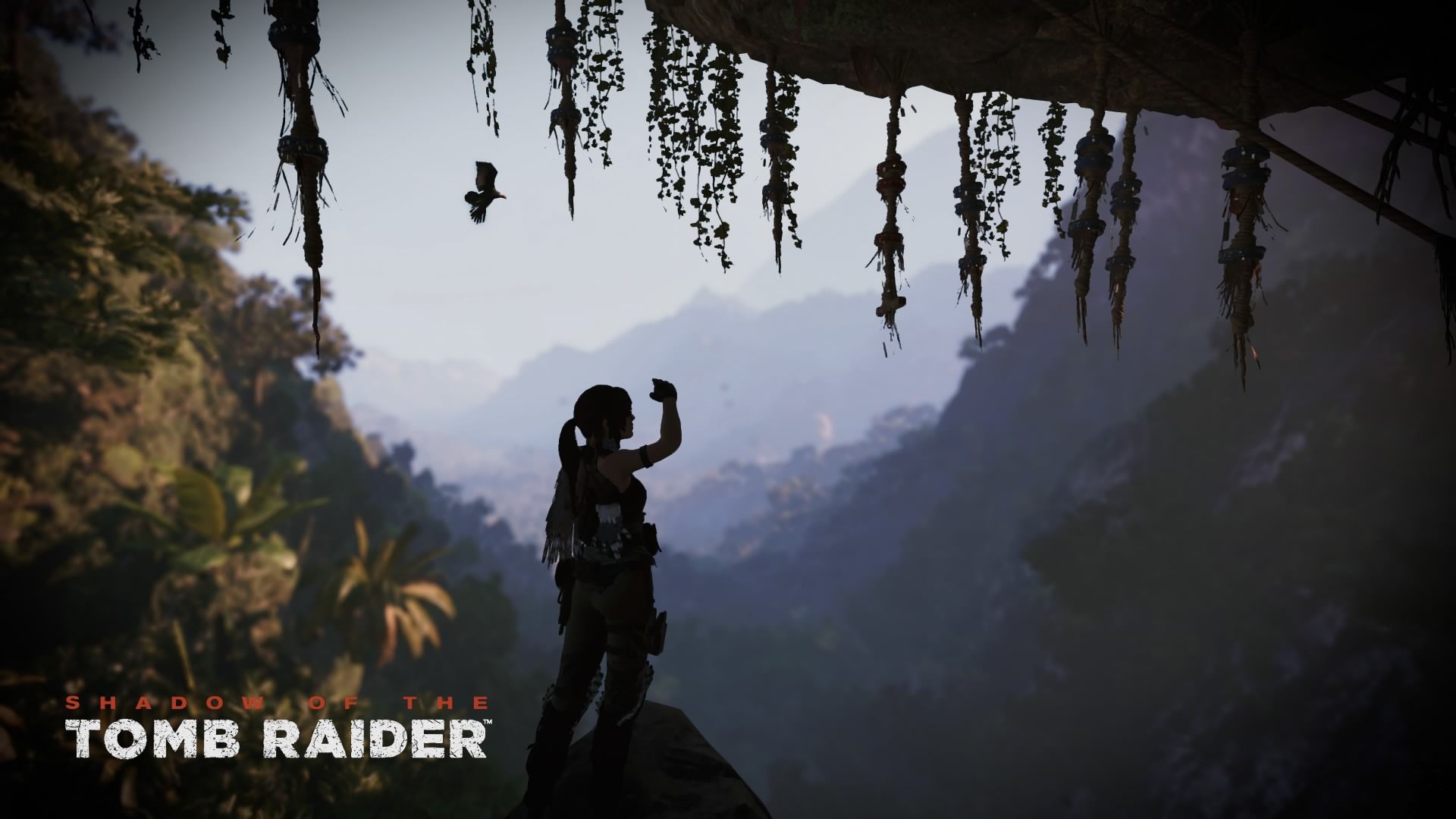
Image credit: Crystal Dynamics group of companies
The Myth
Heroes are forged in the fires of their times. And what could be more fiery than the death of the Sun itself? This doomsday scenario is premised on Meso and South American myths and legends. While the premise may seem contrived, it serves as an excellent excuse to expand on their customs and their gods. The game is littered with recreations of utensils, toys, idols, and jewellery used by the indigenous tribes before their destruction. I have seldom seen a video game meditate so well on small discoveries like this. Perhaps it is because they show these treasures lost or hidden in a wilderness that seems to have forgotten the people that once lived there. The absence of human existence, yet the evidence of it amid the sounds of nature evokes an appreciation for just how much was lost. Every broken structure or defaced mural or mutilated statue hiding behind overgrown brush only inspires imaginations of flourishing civilizations that once co-existed with the flora and fauna of the land. Lara’s own reflections on such discoveries also carry that wistfulness. There’s a somewhat resigned regret in her inner monologue when commenting on these monuments of destruction.
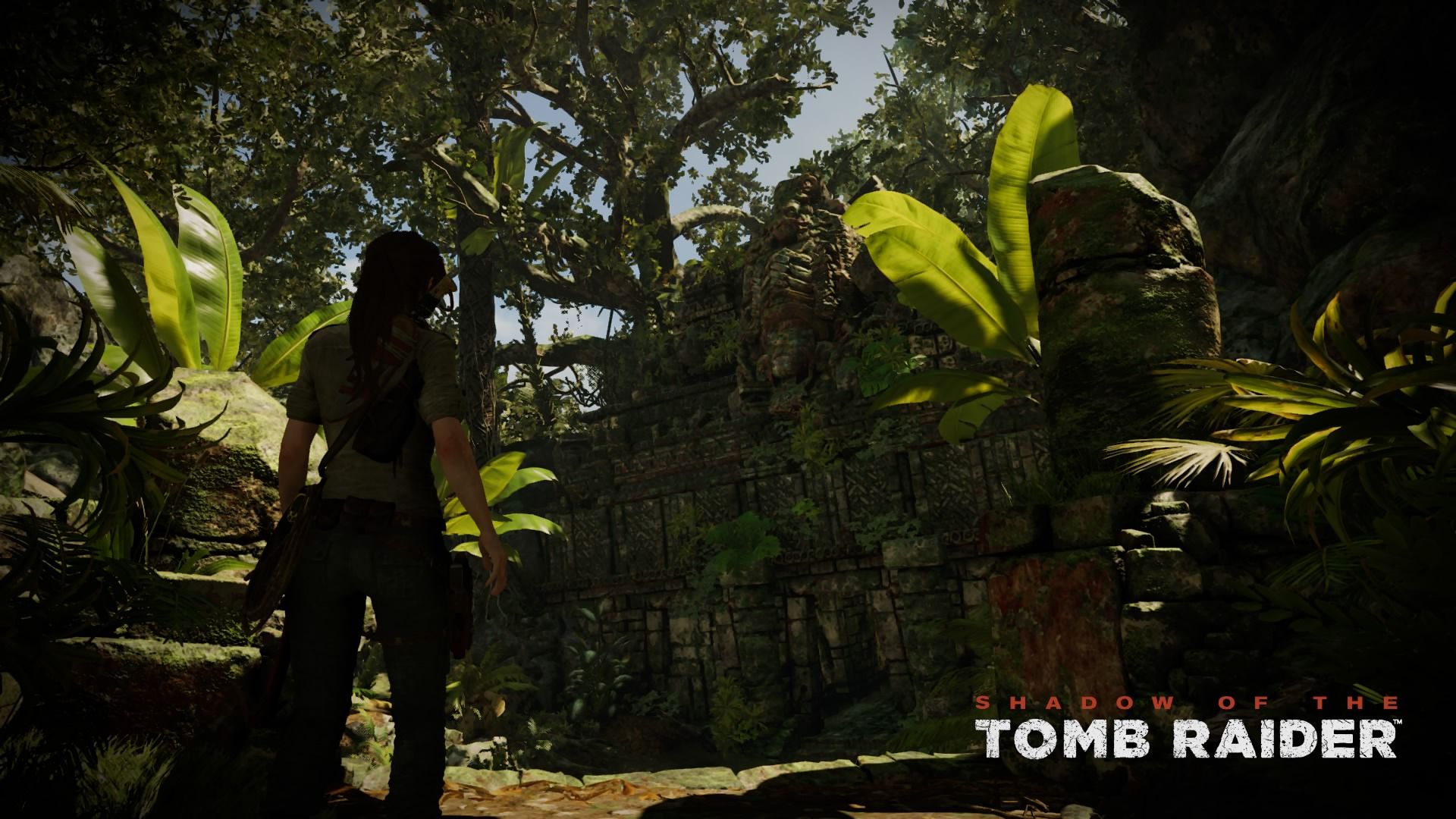
Image credit: Crystal Dynamics group of companies
A great deal can be learned about a people from their daily rituals, the entities they worship, and the things they value. As an enthusiast of history, I find this game to be a treasure trove of tidbits about the Meso and South American pantheons and how they were venerated. Reading something as mundane and innocent as a marriage contract does more to invoke the memory of a forgotten people than the multitude of blood libels hurled upon them by their conquerors. I do not want to spoil the story or the setting any further than I already have for my readers but I will say this: the game actually imagines what a living indigenous South American city might have looked like prior to the conquests. It’s absurd to imagine such a city surviving to this day, frozen as it were in time, so there’s an eerie uncanny dreaminess to the experience. Lara’s (and our own) knowledge of modernity means little in this jealously guarded world within a world and in a way the story straddles two periods in history without any time travel involved. This hidden city strikes a stark contrast to the destitution of a modern South American village, another one of the hub areas in the game. Yet another excellent example of visual storytelling, this contrast silently wonders whether the conquests and the succeeding centuries really brought salvation to the land.
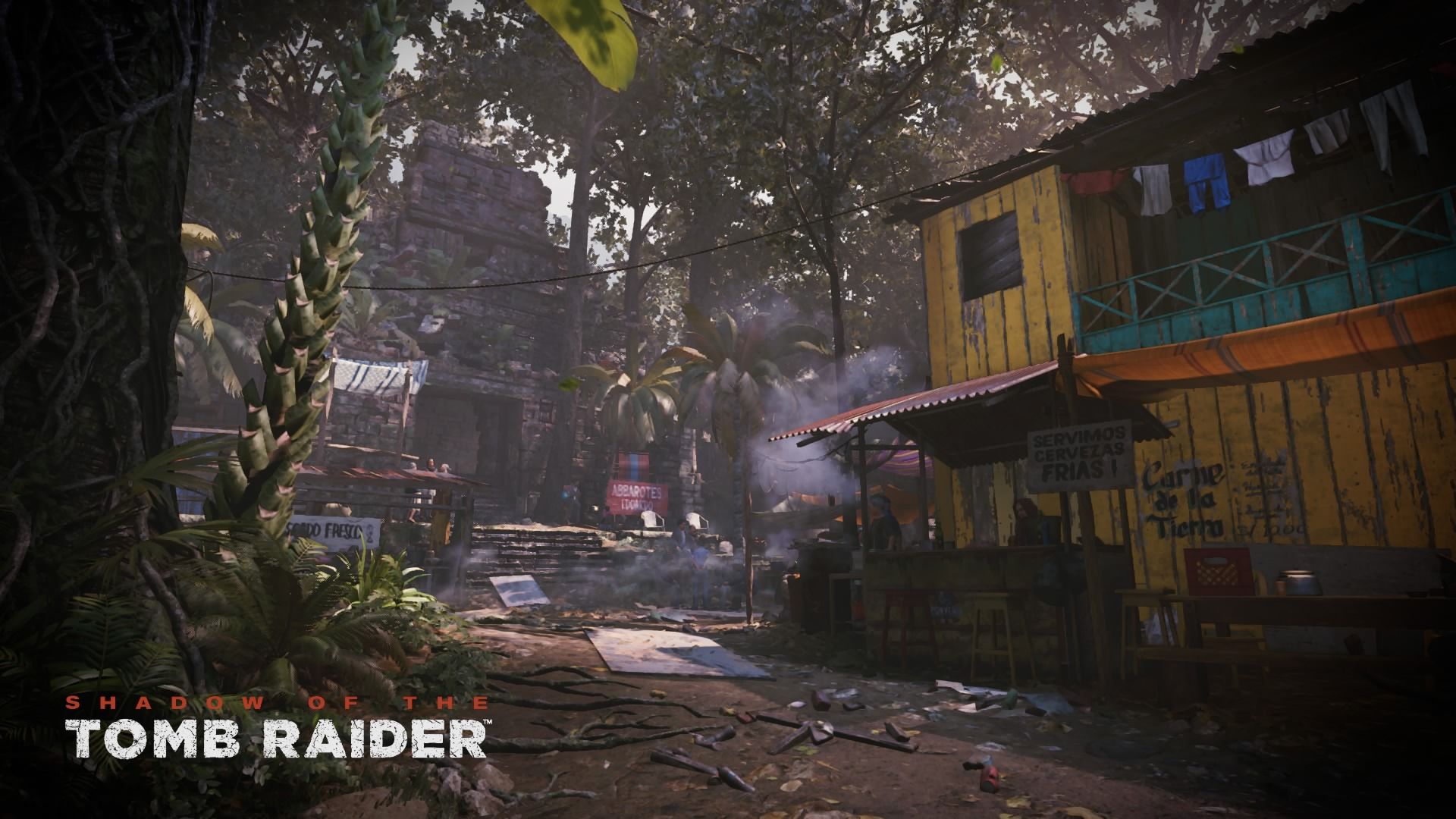
Image credit: Crystal Dynamics group of companies
The story isn’t perfect but what truly astonished me is the effort put into writing a plausible fictional background to the events of the game, a background that stretches back all the way to the 1600s. A background that features missionaries, conquistadors, indigenous rulers, and even rival indigenous civilizations. This background isn’t delivered to the player traditionally. Instead, it is told through bits and pieces of letters, artifacts, and treasures spread around the map. It incentivizes exploring what the game has to offer, but for me the real treasure was piecing together all that information into a thread that led up to the events in the game. Despite this storytelling wizardry, Shadow is hamstrung by elements introduced in the 2nd game that it valiantly tries to shoehorn into the narrative. It’s not elegant, but watching those elements being barbarically pummeled to somehow fit is entertaining nonetheless.
The Tomb Raider
Tomb raiding has never been a noble pursuit despite protests to the contrary by western thinkers. That being said, there’s now a certain mystique around this depravity thanks to pretenses to archaeological study and glamorization by mass media. I wonder if it isn’t too on-the-nose that a fictional British noble is the titular Tomb Raider of this franchise who just happens to find herself continuing the family legacy passed down to her by her father. Noble entitlements aside, the series at least tries to justify these escapades as being instrumental in saving the world. And this it does in entertaining fashion thanks to imaginative level design inspired by historical architecture and fantastical designs alike. Of the 3 games in the reboot trilogy, Shadow features the most intricate ‘tombs’ i.e. optional areas with environmental storytelling and special gameplay rewards.
Each ‘tomb’ is unique in design and theme. They abound with bespoke puzzles involving devious traps or deadly enemies. While mechanical challenge is certainly a highlight, in this game this aspect is overshadowed by the environmental design of each tomb. Every tomb tells a story that starts revealing its threads once Lara takes 10 steps within. From a gauntlet that once tested new warriors to a drowning aqueduct that is overrun with horrors, each one shows the highs to which this modern Tomb Raider formula can reach. One of my favorites was one in which Lara explores a doomed Iberian ship, still laden with stolen treasure, that was once lured into a sea cave and ambushed. The scores of skeletons splayed out around hastily dismounted cannons, the casually desecrated sacred artifacts strewn around the captain’s cabin, the remains of the enslaved natives still locked up in the submerged hold, and the somber air of the cavern that had witnessed this carnage said much without a single word being uttered. How does one see this and not feel compelled to contemplate on the systematic plunder of that land and its people?
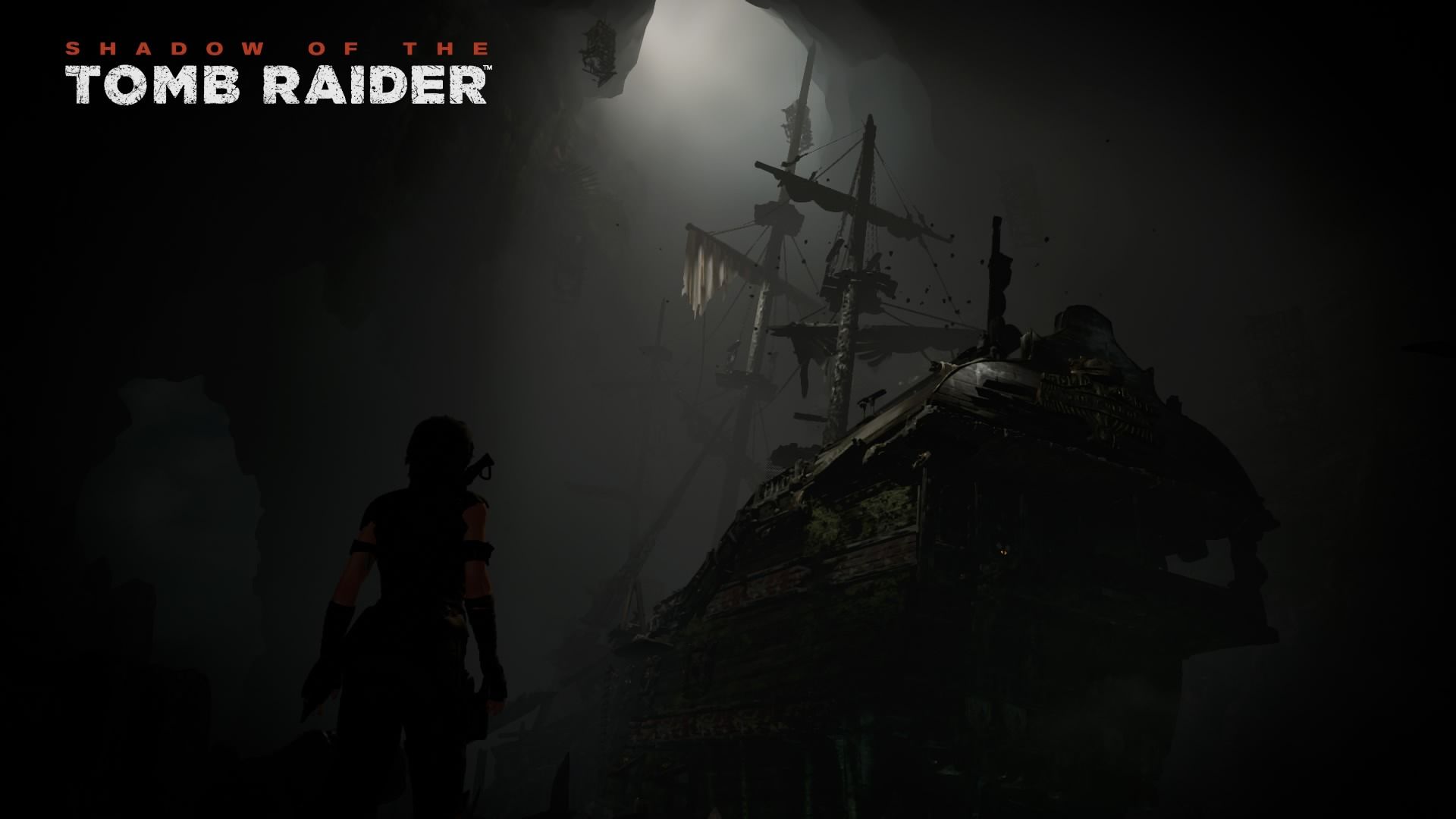
Image credit: Crystal Dynamics group of companies
The Shadow of History
Whether video games are a form of art has been a topic of serious debate for more than a decade at this point. It was a contrived debate to begin with and one that has been conclusively settled in the affirmative, at least in my eyes. Some artworks entertain, others teach, and there are those rare specimens that provoke contemplation. Playing through Shadow was an exercise in ruminating on a lot of topics; not pointedly referred to by the game in a patronizing manner but simply because it inspired me to learn about them.
The indigenous civilizations of the Americas and their rumored treasures have been a staple of these kinds of stories for centuries. Perhaps it is not enough that so much of their wealth was stolen away to Iberia and the rest of Europe. These modern fantasies about raiding the fabled lost cities of gold in Meso and South America only belie a sense of entitlement to the treasures that remain unstolen and a perverse disappointment at having missed out on the sack of those civilizations. Whatever the intention may be, a constant in such stories has always been the repetition of the blood libels commonly hurled against those civilizations to justify the plunder. The conjured hatreds against those peoples and the subsequent justifications for their murder during and after the conquests have sustained for centuries and today form the crux of orthodox thought about their legacies. One by-product of such casual dehumanization is imagining their ruins and tombs as playgrounds for petty thieves and to twist their myths and legends for mere scare mongering.
Shadow strikes a contrast simply because it treats the subject matter with a degree of respect that has hitherto been completely absent in popular media. Even so it still finds itself, perhaps out of ritualistic obeisance to orthodox pieties, caricaturing elements of those civilizations. We are all influenced by the prejudices prevalent in the environments we grow up in. So I hesitate to be harsh on Eidos Montreal, nestled as it is in the bastion of French culture in North America. It is remarkable that despite that, they created a game with a narrative that not only did not shy away from depicting the desolation wrought by the Europeans but also managed to humanize the natives of South America beyond the tired trope of the noble savage.
The exaggerations of the crimes of the Incas, Aztecs and others against their own peoples are perhaps only surpassed by the boasting of the conquistadors. If the implication of the events being described weren’t so horrific, I would be bemused at Cortes claiming to have killed eleventy quintillion Aztecs with the help of 10 men or Pizarro claiming to have single-handedly captured the Incan emperor after slaying twenty sextillion Incan warriors. Of course, I regard the actual numbers claimed by those two heroes of Iberia, as no more credible than Spartan claims of holding the pass at Thermopylae with 300 soldiers. The eradication of Meso and South American resistance and the enslavement of their peoples, however, certainly removed any challenges to the credulity extended to European imaginations about these events. If the casus belli for these conquests was the salvation of the heathens, then it sure says something about the European definition of salvation when the subjugation of Latin America was bloodier than its conquest and the alleged blood soaked reigns of its indigenous rulers. 500 years later, a cursory glance at the state of the world shows that that mindset has not changed a great deal.
Such systematic human savagery is unsustainable without indoctrination, of which the Iberians were clearly not in short supply. It was so abundant that local culture was quickly snuffed out and supplanted with a way of life originating in a desert halfway around the world. It unmoored the people from their gods, communal customs and traditions, and any beacons that could rally them to resist. The severing of these social and spiritual threads left them ripe for harvest in a pitiless world.
What followed were three centuries of systematic wealth extraction from peoples reduced to the stature of farm animals (or worse). The Iberian holdings in the Americas were carved up into provinces administered for the benefit of the imperial homelands which exacerbated the disunity of the colonial subjects. Even disunited, several rebellions were attempted but ruthlessly put down. It wasn’t until Napoleon’s invasion of Iberia created a power vacuum in the American colonies did those regions start to break away. Of particular note is that these independence movements were largely motivated by and in service to local elites, themselves of European descent, who wished to carve out their own permanent fiefs. Centuries of enslavement of the lands and its peoples had successfully calcified a caste system in which social hierarchy was predicated on the percentage of European ancestry. Indigenous desire for independence was useful in as much as it excited the passions of the lower strata of society against imperial forces.
It is no surprise then, that so many artificial nations arose in the aftermath of these wars for independence; still speaking foreign languages, still adhering to alien religions, and still treading upon the dignity of the marginalized indigenous peoples. They continue to be mined for resources, be it gold, oil, or cheap labor. They continue to look for leadership outside their borders seemingly having forgotten what it means to be sovereign. Their elites still desire validation from and brotherhood with their European cousins while invoking indigenous heritage, when convenient, to shore up local support.
I sympathize with the traumatized peoples of Meso and South America. Their collective anguish must have been deep, and the world too uncaring, to choose to remain tethered to a culture that has always despised them and perhaps always will. To the Europeans, they will always be ‘Latinos’. To the rest of the world, they will always be former colonies of Europe that have no identity of their own. There are no shortcuts to sovereignty. Perhaps the way forward is not by a simple reversion to a pre-colonial past. If it is any consolation, it is worth remembering that virtually no civilization reverted to the customs of their ancestors after succumbing to conquest or proselytization. Egypt couldn’t do it, Persia couldn’t do it, neither Rome nor the pretenders to its mantle could do it. Even Greece, by some reckoning, could not. Notable exceptions include India, and ironically, the Iberians themselves. The Indian wars for independence, first from the Saracens, and then from the Europeans, resulting in a unified state with a shared memory of its ancient civilization now seems miraculous. Miracles provide opportunities but only sustained will can consolidate freedoms. Relearning what it means to be sovereign and conducting independent foreign policy are parallel processes that feed into each other, both of which require a shared commitment from the elites and the common people alike. The Indian story is instructive in what happens when either that delicate process or the commitment to it is disrupted. That it is widely hated today for having (nominally) preserved its identity is perhaps a lesson for the peoples of Meso and South America: it is better to be hated for what you truly are than beg to be accepted for what you pretend to be. I pray these peoples one day forge their independent identity. It is a task every succeeding generation has bequeathed to the next for far too long.
TOMB RAIDER and LARA CROFT are trademarks of the Crystal Dynamics group of companies. This is not a sponsored article and I am not associated with the Crystal Dynamics group of companies in any way. To submit feedback about this article, please visit the contact page.