
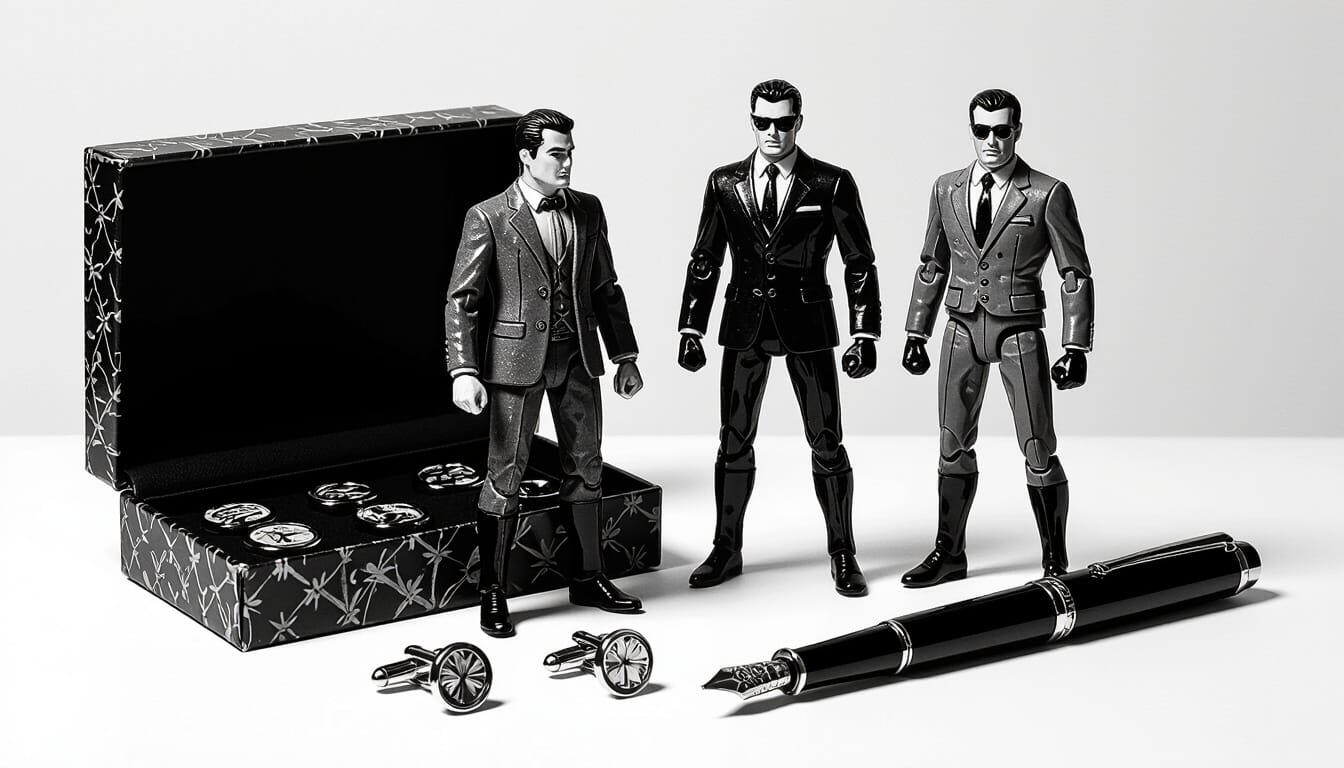
What is a hero? The simplicity of the word belies the depth of the term. There are likely to be as many interpretations as the number of people asked about it. Does it mean a person who protects others? Does it mean someone who fights bravely? Does it mean someone who sets an example to follow by acting honorably? I suppose the better question to ask is: who do you think of as a hero?
My earliest awareness of this term was with reference to the lead characters in movies. Where I grew up, and I imagine it is and was somewhat similar in other cultures, we would generally refer to ‘heroes’ and ‘villains’ of movies when discussing them. Maybe this says more about the kind of movies I watched but I remember this being generally agreed upon terminology. This also reflects a degree of comfort with the binary of good and evil. Most well adjusted people probably identify with, or at least try to, with ‘good’. If movies, and pop culture by extension, are anything to go by, then it seems that it is easier to define ‘good’ as the antithesis of ‘evil’ rather than as a standalone well defined quality. After all, what is the worth of a story without some drama, strife, and conflict? Therefore, the fight for ‘good’ is portrayed as necessary when ‘evil’ is ascendant.
Now, stories where all seems hopeless and where the situation seems dire can be quite evocative, especially for impressionable minds. And the hard fought, but clean victory of ‘good’ over ‘evil’ can be cathartic. Do these impressionable minds form an emotional dependence on this dynamic? I am no psychologist but a living thing is most vulnerable when it is young. Imagining dire circumstances, and in some cases even identifying them with their own actual circumstances, can be frightening. Seeing heroes vanquish those challenges can be exhilarating. The young seek protection and look up to those who provide it, imaginary though they may be. I don’t think it much of a stretch to think this colors their understanding of the world for the rest of their lives.
The young look for heroes wherever they can find them. In their own life, in the books they read, in the movies they watch, in the games they play, or in their imagination if all else fails. There’s something preciously innocent about this yearning for heroism. Even though it may erode into cynicism as they get older, I suspect the belief in it, once ingrained, can always be rekindled.
Devoid of heroes, role models, or people they can look up to in their own personal lives, the young have no option but to look for them in more abstract or fantastical media. Cultures that have survived and persisted for millennia have a wealth of chronicles and scriptures immortalizing countless heroes over the ages. For the rest, they have to make do with more modern inventions. Comic book superheroes are a recent example. Older readers may remember a time when spies and cowboys enjoyed similar popular appeal.
This article is not an opinion piece on whether superheroes, spies, or gunslingers are suitable role models or whether their stories are instructive about our world. But they are useful examples to study because their commodification poses interesting questions about the contemporary understanding of heroism.
The recent upsurge in superhero movies is not a wholly manufactured phenomenon. There clearly was an audience that was already primed and, more importantly, there was a class of creatives who were passionate about making movies about these characters. This should not be surprising as the things we were passionate about when we were young are bound to reflect in the things we create later on in life. Superhero comic books have been in continuous publication since before the 1950s. But they appear to have reached a critical mass of readers born sometime later in the 20th century to make their current popularity possible and commercially viable. Similarly, it should not be surprising that spy movies were popular during an era of intense ideological and nationalistic rivalries. And also that ‘westerns’ were popular when they were, eulogizing an outdated way of life as a response to the anxieties of social reform in 1960s America.
Perhaps the appeal of these hero archetypes is that they evoke memories of feeling safe and secure. Perhaps these heroes inspire confidence in the return of a glorious past. Perhaps they simply plead for the continuation of the status quo. If there is one theme that I personally notice about media based around these manufactured heroes, it is that those stories always seek to perpetuate the status quo. It makes commercial sense to play up and preserve rivalries. It also makes narrative sense, if the goal is to continue the franchise, to portray the world as being in constant need of the same kind of heroes. As a result, the roots of problems are rarely ever addressed. I wonder whether it encourages a belief in an unchanging world borne of the apparent hopelessness in mending it. It is not uncommon to witness grown adults argue about even small changes in new media in franchises that they have bitterly held on to since childhood. Nostalgia is a strong emotion. It is easy to seek refuge in the warm caress of certainty when confronted with the onset of change. Indulged in excessively, it is also a recipe for stunted growth.
I imagine it must be debilitating to want to believe in a world guarded by secretive vigilantes with extraordinary wealth or fabulous powers (or both). A belief in heroes is not a bad thing. We all need to be reminded now and then that there is good in this world, and that it is worth fighting for. But I suppose daydreaming about imaginary heroes robs us of the sense of responsibility to be the hero in our own lives. If we are conditioned, however subconsciously, to believe that there are shadowy heroes working alone or in concert to make the world a better place, then will we ever feel the need to stand up for ourselves?
I would argue that heroes that inspire us to do the right thing are more valuable than those that make us want to be saved. The former inspires agency while the latter induces passivity. A great deal of political rhetoric and campaigns are built upon encouraging a belief in ‘the good guys’ working in tandem and in secret to do the right thing so that you don’t have to. As most adults eventually realize, however, abdication of personal responsibility is not a pathway to progress.
I think an overabundant fascination with imaginary heroes is only possible in those who do not appreciate true heroism in their own lives. Perhaps we expect too much, or perhaps we fear being disappointed (again). But we can always (try to) be the heroes we sought.