
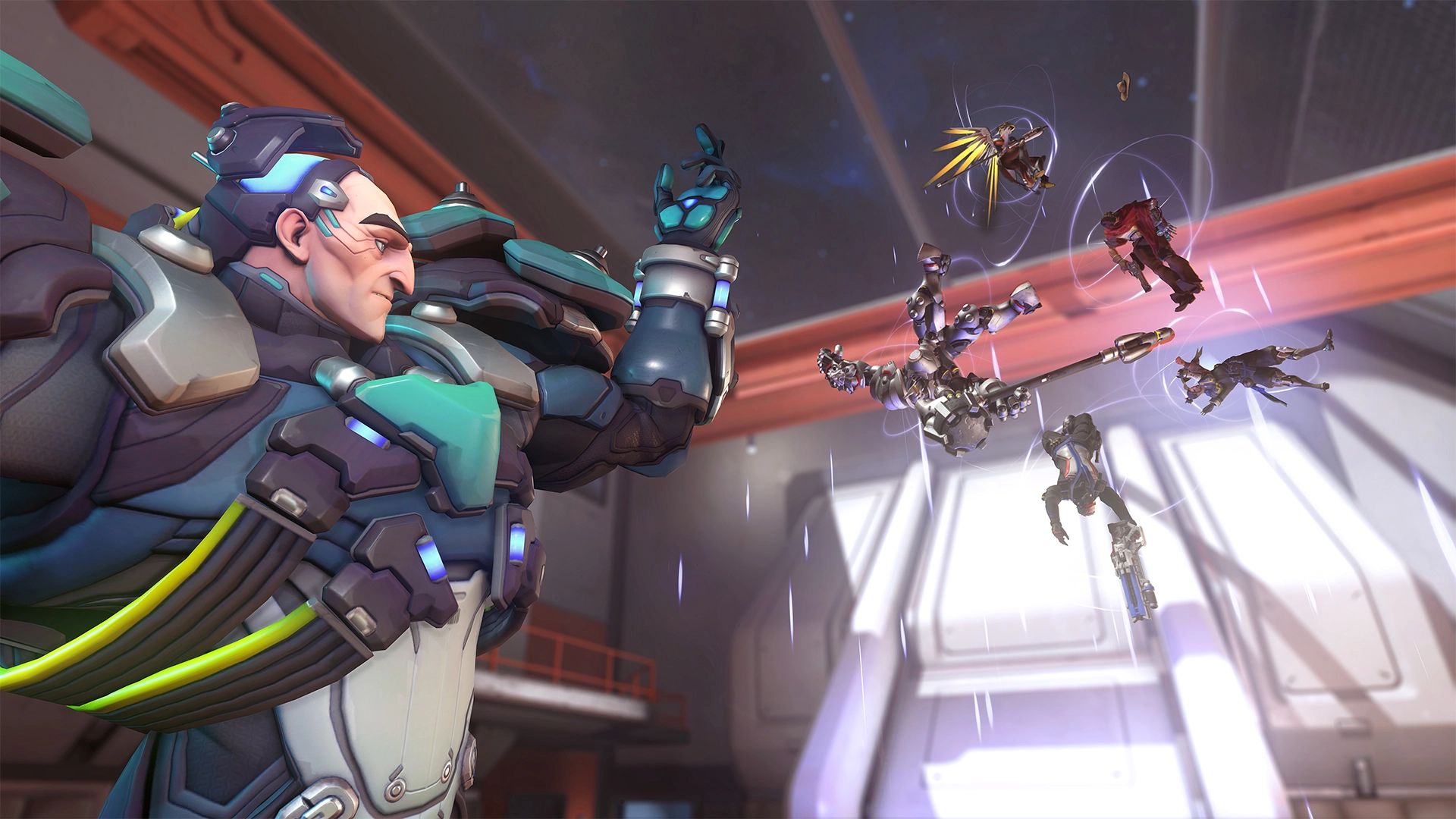
A Digital Fight
Wishful thinking and fear mongering abound in equal measure as so-called artificial intelligence tools pervade our personal and professional lives. The absolutists on both sides inadvertently agree that AI will supersede human thought. Whatever AI does, if the least it can do is make luddites and snake oil salesmen irrelevant, then it will already have done a great service to the human race. But I digress. There are many arguments to be made against the certainty of AI supremacy. One of which is the human mind’s power to imagine. The power to imagine new worlds, new ideas, and new ways to fight over them.
Perhaps “fight” is too strong a word. “Compete” sounds cleaner and less confrontational. No matter what euphemisms are employed, they don’t paper over mankind’s penchant for competing over everything. Be it land, love, gold, ideals, even numbers on a scoreboard. Indeed, most of our games are about competition. Whether it be pieces on a chessboard, make-believe currency notes in Monopoly, or mid-air cartwheels on a skateboard, the human mind is seemingly limitless at finding new ways to judge the supremacy of one against the other. It’s not surprising that this translated over to the digital realm as well.
Video games have been around for decades. While the earliest ones pitted the user against the computer, they soon progressively found ways to have players compete with each other. Arcade games such as Street Fighter were among the earliest examples. Soon after, the ubiquity of internet connectivity made it possible to have players compete with each other no matter where they were. Friendships have been made and broken over multiplayer games since at least the 1990s and the intensity of competition in this digital realm shows no sign of abating 30 years later.
Overwatch
The video game industry is a massive global phenomenon that has proven demand from billions of players. It has responded with a steady supply of content to meet that demand. Today, one can find thousands of games in multiple genres, each catering to a specific kind of player or playstyle. Online multiplayer functionality has become a core feature of many genres. This enables two or more players to cooperate with or compete against each other. They can be located anywhere around the globe but games typically connect players across the same region to ensure low latency and a smoother gameplay experience.
Overwatch is one such game. Originally released in 2016 to great fanfare and critical acclaim, it has somehow retained popular appeal 9 years later. Its core game mode pits 2 teams of 5 players against each other. Each player can choose to play as one of 44 unique ‘heroes’, each with a defined set of weapons and abilities. Victory is claimed by meeting certain conditions during the match rather than how many enemies each team eliminates. The objectives are map dependent but there are 6 main game modes across 31 maps.
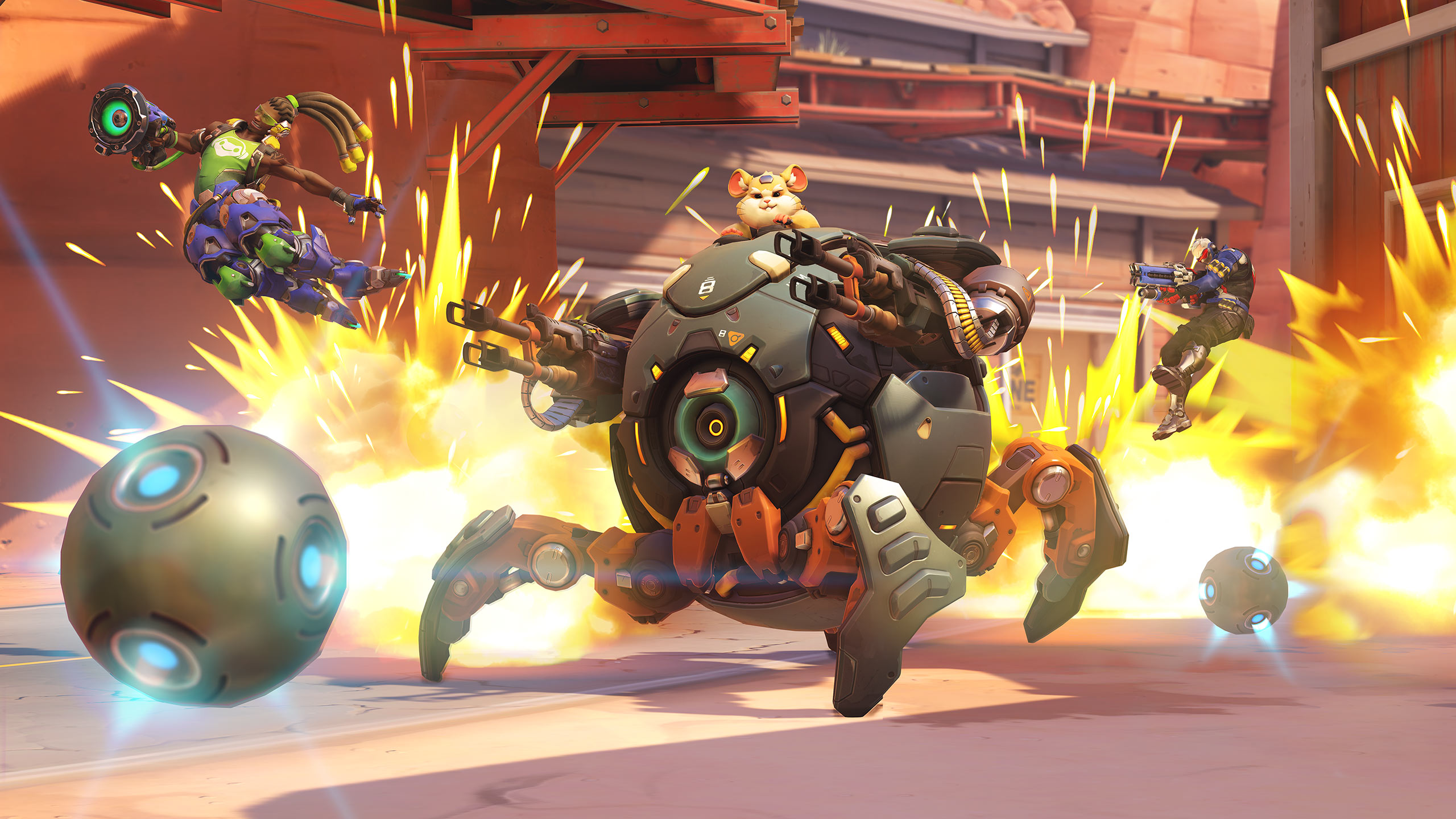
Image credit: Blizzard Entertainment, Inc.
It is a mechanically demanding game that attracts competitive players but I think a great deal of its charm and its ability to retain a large playerbase is its colorful art style and quirky cast of characters. It’s clearly a game meant for people of all age groups. The violence is cartoonish, the characters quip comically (and automatically) in response to events during the match, and players can customize their heroes with various costumes, voice lines, gestures, and more. Although a competitive game, it has a social and somewhat light hearted tone that makes it appear less daunting than it can be.
Fun and Games
The competitive nature of these games gives them the quality of a sport. The tension from being a quasi-sport as well as a form of entertainment gnaws at the heart of a game like this. Some play a game of football in the local park to get respite from a stressful day while others might derive their sense of self-worth from the outcome of such matches. None of the games we play with our friends and family, be it a game of chess or a game of Overwatch, mean much in the grand scheme of things. But games only work as intended if all participants play to win. How emotionally invested we get in playing to win or to have fun greatly influences our playstyles.
A football player who takes practice matches seriously may one day progress to become part of a professional team. Professional sportsmen don’t primarily play to entertain themselves. They certainly may enjoy playing the sport but they do it for prestige, to earn money, and to build a career off their success. Such a dynamic is now also playing out across many online multiplayer video games, with Overwatch being no exception. Professional leagues pit professional teams against each other. These players are paid to play and therefore take it more seriously than the average Overwatch enthusiast. As expected, it has also become a spectator sport that attracts viewers on platforms like YouTube and Twitch.
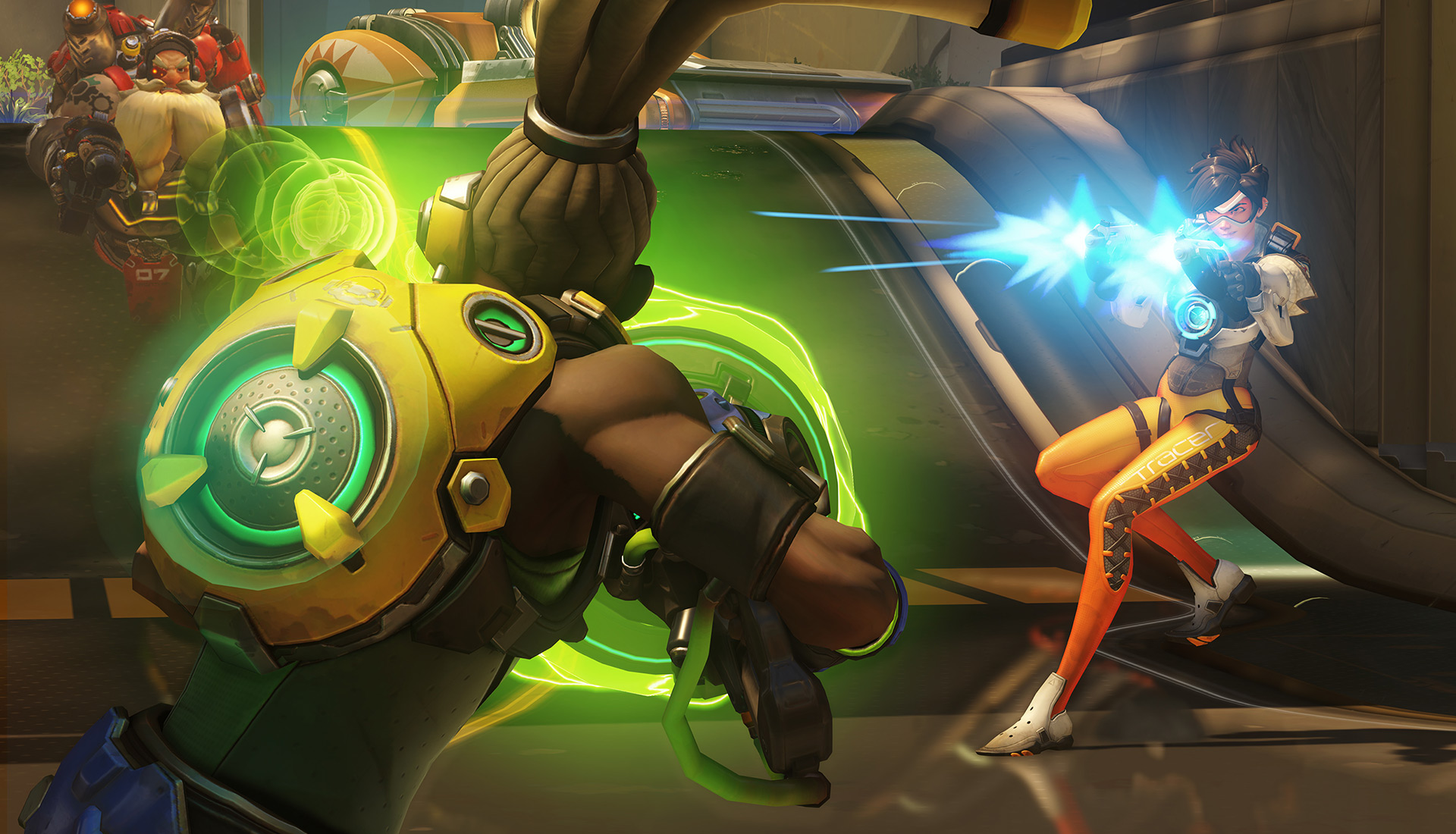
Image credit: Blizzard Entertainment, Inc.
The term ‘eSports’ was coined for exactly this phenomenon. Online multiplayer games benefit from configuring gameplay to cater not only to casual enthusiasts but also to those seeking a more competitive experience. The pressure to win compels players to seek the most optimal strategies. A tendency that is dryly summarized as, “gamers will eventually optimize the fun out of a game.”
But how exactly does one “optimize” chances of victory in an online multiplayer game like Overwatch?
Variables
Overwatch is not unique in having a large cast of playable heroes with different modes and maps to play on. Many other games offer such variety. I picked Overwatch for this article simply because it is a game I like and play semi competitively from time to time.
So, using it as an example, let’s illustrate some of the main variables that contribute to determining the outcome of a match.
- There are 2 teams of 5 players each
- Each player can choose 1 of 44 different heroes
- Each hero has a unique weapon and, on average, 3-5 unique abilities
- Each match is played on 1 of 31 different maps
- Each map is tied to a specific game mode, of which there are 6 in total. Each game mode requires unique objectives to be fulfilled to achieve victory.
Now, let’s examine each of these main variables.
The Heroes
Each of the 44 heroes are unique but they are broadly classified into 3 main roles: Tanks, DPS, and Supports. Tank heroes have more health and armor, have abilities that mitigate incoming damage, and tend to have abilities that displace enemies. DPS heroes are deadlier and quicker at damaging enemies. Support heroes can heal their allies and offer utilitarian abilities to sway the tide of battle.
A hero’s role significantly influences how he is meant to be played. A Tank that doesn’t protect the team, a DPS that doesn’t whittle down enemy numbers, or a Support that doesn’t heal can contribute to defeat. Responsibilities like these aren’t set in stone but heroes are designed to fulfill them. The full potential of a hero can only be realized by playing to his strengths and responsibilities.
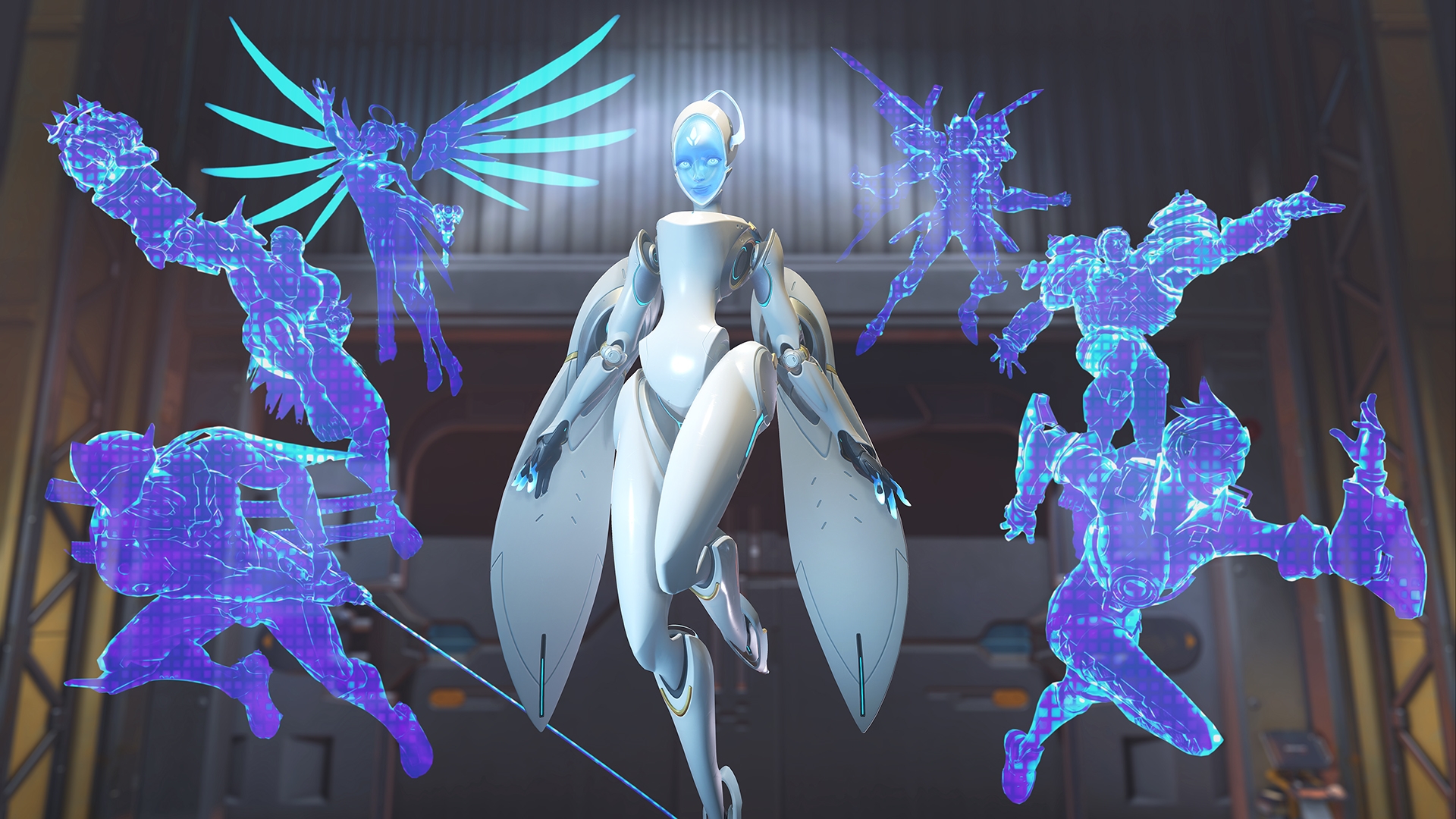
Image credit: Blizzard Entertainment, Inc.
It is not enough to merely know how a hero is played. How each hero interacts with the other 43 heroes influences when and where he is best played. A team of 5 heroes that complement each other’s playstyles proves more effective than one in which each hero requires different conditions to excel. Picking the right hero for the situation and knowing if and when to switch can immediately pay dividends.
The Tools
Each hero has unique weapons and abilities. A gunslinger hero with a revolver plays differently in comparison with a wraith that dual wields shotguns.
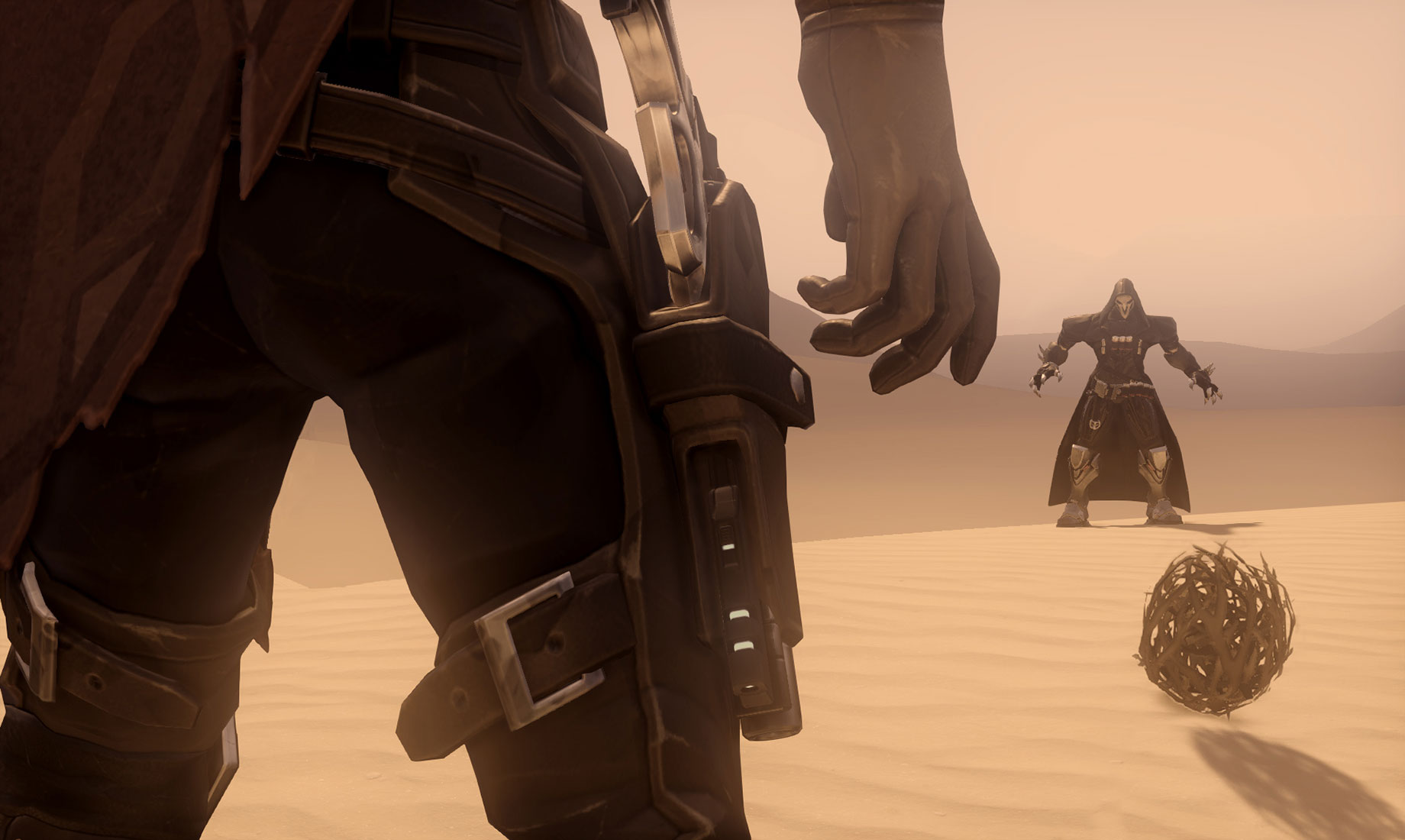
Image credit: Blizzard Entertainment, Inc.
Consider this hammer and shield wielding Tank hero called Reinhardt.
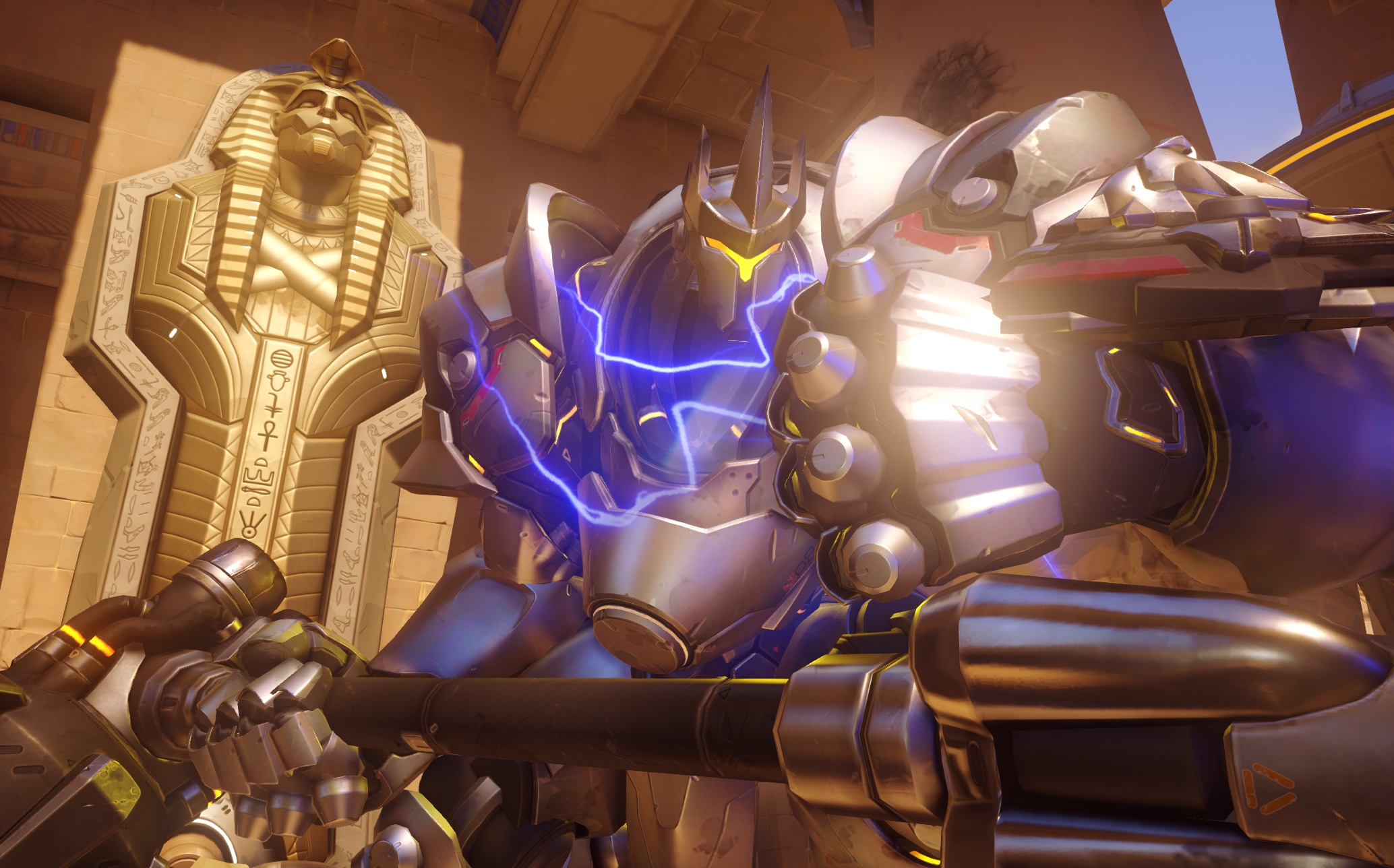
Image credit: Blizzard Entertainment, Inc.
Presently, in the core mode, he has,
- 400 health points
- 300 armor points
- A regenerating shield with 1500 health points
- A hammer that deals 100 damage per swing
- He can charge and pin enemies to walls for 300 damage
- He can hurl firestrikes from his hammer for 120 damage each
- Periodically, he can shatter the ground and stun all enemies 25m in front of him
These values haven’t remained static since this hero first launched as part of the original game. The developers constantly tweak numbers in response to heroes’ performance in the game. Overtime, some heroes oscillate between being strong or weak or just right, and it all depends on how the other heroes are balanced at those points in time.
So, not only is it not enough to know what your own hero does, it’s also important to understand just how much damage he can deal and withstand and what situations maximize the effectiveness of his abilities. The periodic balance changes by the developers, and the introduction of new heroes, means that a hero can never be played the same way forever.
The Battlefield
Where a battle is fought is often just as important as the strengths of the belligerents. The terrain may suit one side’s tactics better or help it conserve resources.
It is just so in Overwatch as well. Each of the 31 unique maps play quite differently. Some are flat and open, thus favoring bulkier and hard hitting heroes, some are vertical with long sightlines favoring long ranged characters, and some are a mix of the two that favor nimble characters who can flank and flee easily. A team of heroes that appears strong on paper, may not actually work that well on a map ill-suited to them. A team of heroes that individually appear weaker may work well on a map that offers flank routes and plenty of natural cover.
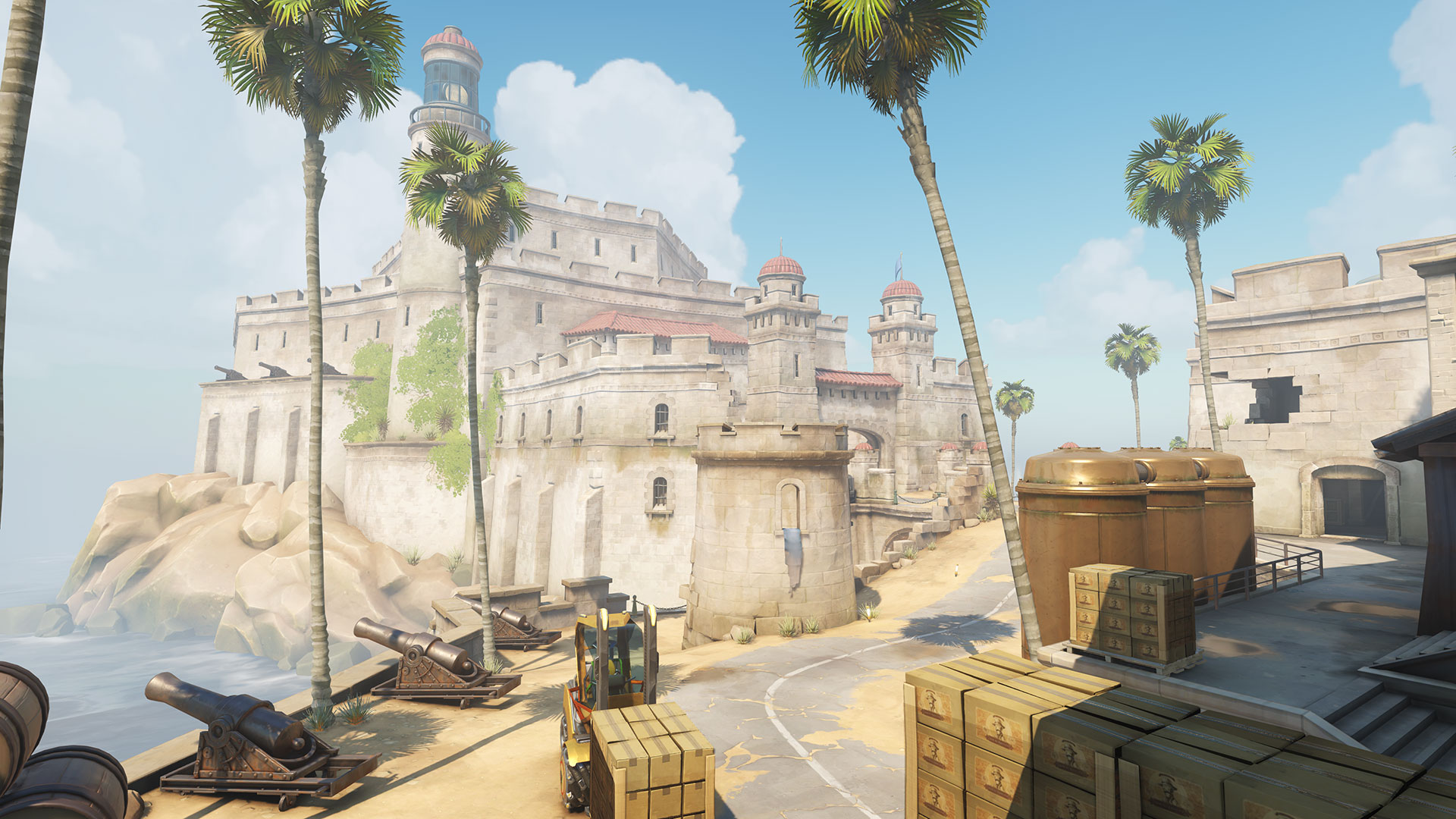
Image credit: Blizzard Entertainment, Inc.
Previously, maps were always selected at random but players can now influence that by a vote before the match. In any extended gaming session, however, many of the 31 maps will be played. A player must adapt his tactics not just to suit the map, but also the heroes chosen by both teams. Map knowledge is the key to maximizing a hero’s potential. Knowing when to strike and when to retreat is just as relevant in-game as it is in a real world fight.
The Finish Line
Each map is tied to one game mode, of which there are 6. 2 of those modes, Escort and Push, are about escorting an object across the map to the enemy’s camp and the team that pushes the object the farthest is declared the winner. 3 modes, Control, Clash, and Flashpoint, are about capturing and holding certain spots on the map for a period of time and the team that successfully holds the most terrain wins. The 6th mode, Hybrid, requires capturing and holding a certain spot before being able to escort the object to the enemy camp.
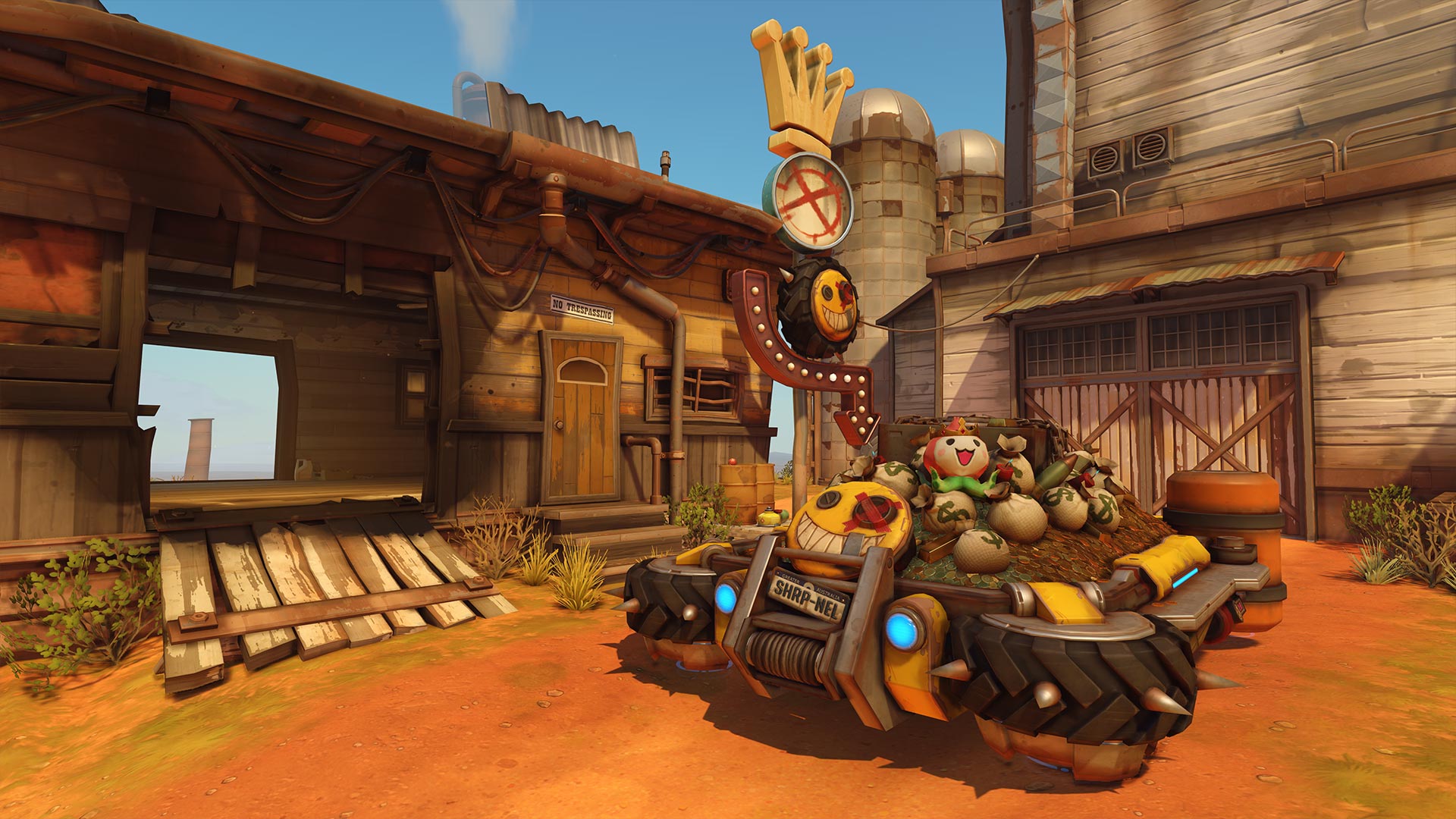
Image credit: Blizzard Entertainment, Inc.
Some game modes feature constantly moving objectives while others are static. This dictates where fights take place on the map and so certain heroes are better in specific situations. While one hero may be able to hold a choke point against two or more opponents, it takes teamwork to take control of the map. A team that is too busy hunting its opponents may lose to one stubbornly focusing on the objective.
Individual prowess, while important, means little if the team does not capitalize on it. Of all the variables in the game, I find this to be simultaneously the most humbling and most empowering. It reinforces the fact that no matter how powerful you may be personally, the odds are against you when playing against a tightly knit team. Concurrently, using your power to aid and lift up weaker team mates only elevates your own chances of winning.
This brings me nicely to the most important variable of all.
The Players
Single player games become predictable after one or two runs because players know what to expect from the pre-programmed enemies. Although enemy AI in these games has advanced leaps and bounds over the past few decades, human players can quickly figure out patterns in how the enemies fight and adapt accordingly. These games solve this problem by offering tools to play differently.
But, ultimately, AI cannot match the unpredictability and ingenuity of a human opponent. Online multiplayer games are popular partly because of how the gameplay experience changes between matches. No two matches of Overwatch ever play out exactly the same. Even if both were played on the same map with the same heroes. It’s all because of the 10 ever changing variables: the players.
The Matchmaker
In Overwatch’s core modes, the game matchmakes 10 players with similar skill ratings into two teams. The game assigns and updates a player’s skill rating as he plays. The more he plays, the more accurate his skill rating becomes relative to the rest of the playerbase. Wins and losses are the primary factors in influencing this benchmark. This means that even if a player plays badly but wins the match, his skill rating increases. On the flipside, playing well, yet still losing leads to a decrease in the skill rating.
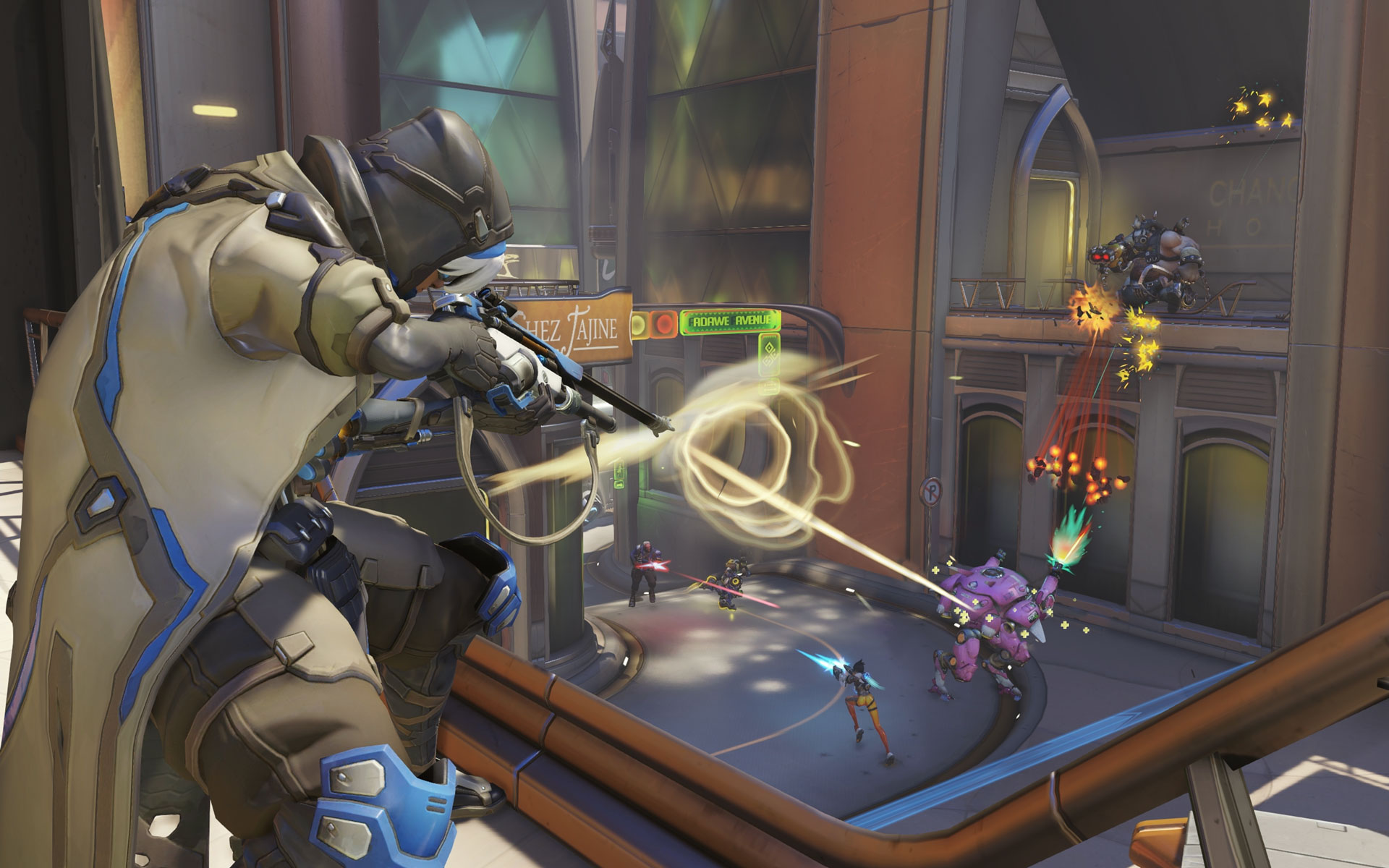
Image credit: Blizzard Entertainment, Inc.
When not part of a pre-made group, a player is likely to play with a different set of 9 people every match. Adapting to new team mates and opponents every match is easier said than done because even if everything else remained the same, the tactics that worked or failed in a match may give opposite results in the next one. Imagine playing football with and against an entirely new set people every half an hour, most of whom you may never see again.
Of course, players have the option to group up with friends before a match so they are always on the same team. Knowing what to expect from all of part of your team can mean the difference between playing aggressively or conservatively.
Knowledge and Skill
Playing with a different set of competitors every match means playing with individuals of varying skill and game knowledge. A Tank player only proficient at one hero can get him easily countered by the opponents. A jack-of-all-trades may be adaptable but unable to deliver high impact at crucial moments. The match isn’t only decided by skill, but also by knowledge of hero weaknesses and strengths, flank routes, ability cooldowns and a myriad of other minute details.
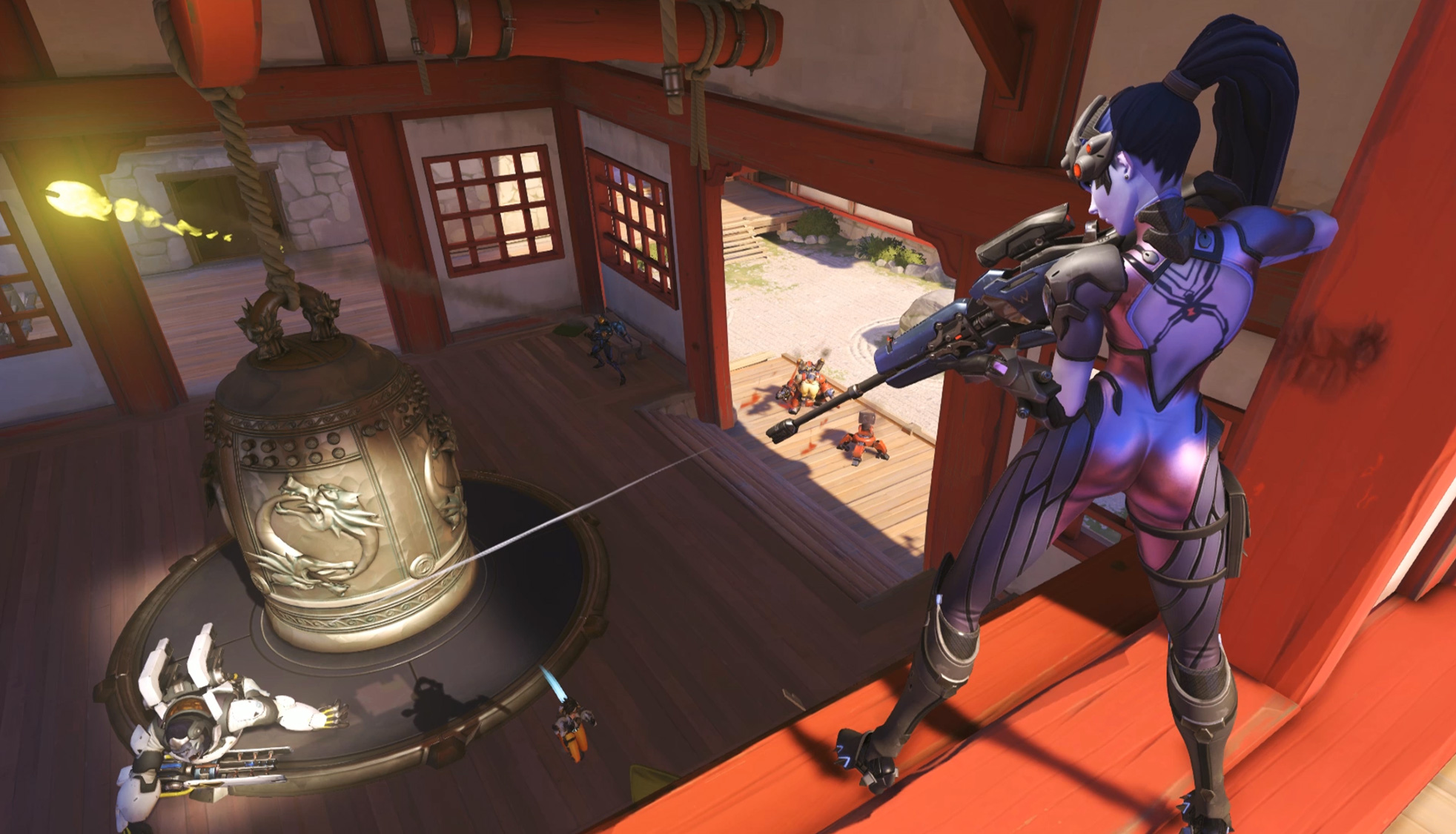
Image credit: Blizzard Entertainment, Inc.
This is where games like Overwatch differentiate themselves from others where the objective simply revolves around eliminating the opponents. A player may not be as mechanically skilled as his foes, but playing smartly, navigating the map intelligently to create favorable angles, and timing abilities at the right times can help mitigate or press skill imbalances.
Mind Games
Of course, focusing on personal improvement is a choice that often proves difficult for some. The path of least resistance instead lies in blaming external factors that are beyond the player’s control.
Hero balancing, map layouts, the matchmaker, and team mates are generally the most popular targets of criticism. Heroes are constantly being tweaked now and then, sometimes to address genuine imbalances, and sometimes to keep the game fresh. It is easy to externalize the reason for a loss when playing a recently weakened hero, especially against recently buffed heroes. The maps themselves are often blamed too, for working to certain heroes’ strengths more than others.
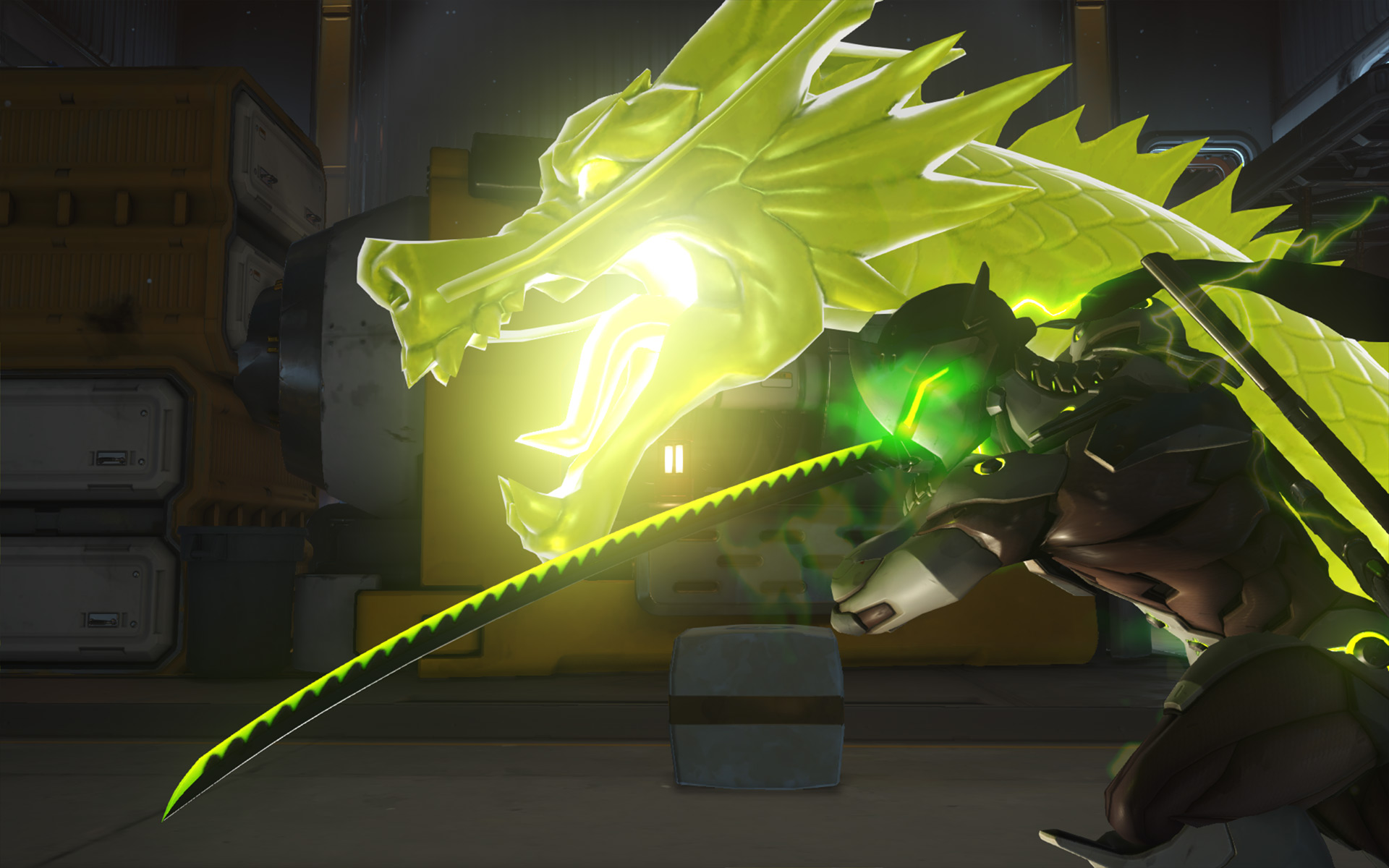
Image credit: Blizzard Entertainment, Inc.
The matchmaker, however, bears the brunt of the community’s frustration. The nature of randomized matchmaking can sometimes create lopsided teams. The matchmaker can’t account for players’ hero choices during a match. It can’t account for morale. It can’t account for team synergy between individuals playing together for the first time. But it is often blamed regardless.
Players often don’t blame the matchmaker directly. They bemoan the perceived inadequacy of their comrades. In a fast paced game such as this, it’s difficult to keep track of what all 4 team mates are doing at all times. Catching them just as they make a mistake can make it seem as if they aren’t pulling their weight. This is especially exacerbated when it seems that the enemies are perfectly synchronized in their actions. Fixating on others’ performances, unless it is to adapt one’s own playstyle, serves no purpose during the match itself. Continuing to do so after the match, unless it is to analyze and learn from it, also serves no purpose. Indeed, there’s a danger of exaggerating one’s own team’s faults and the enemy’s team strengths such that no hope of victory can be seen. Defeat is then assured.
Like any sport, the match is often won in the head as much as on the field. It’s never over until it’s over.
So, coming back to the original question: how does one optimize the chances of winning in online multiplayer games like Overwatch?
Personal Responsibility
For a player, there is only one constant in every match. Himself. Only he controls what heroes he knows how to play, how he navigates through the maps, and how to fight other heroes. Focusing on personal improvement and consistency in effort can only increase the probability of victory.
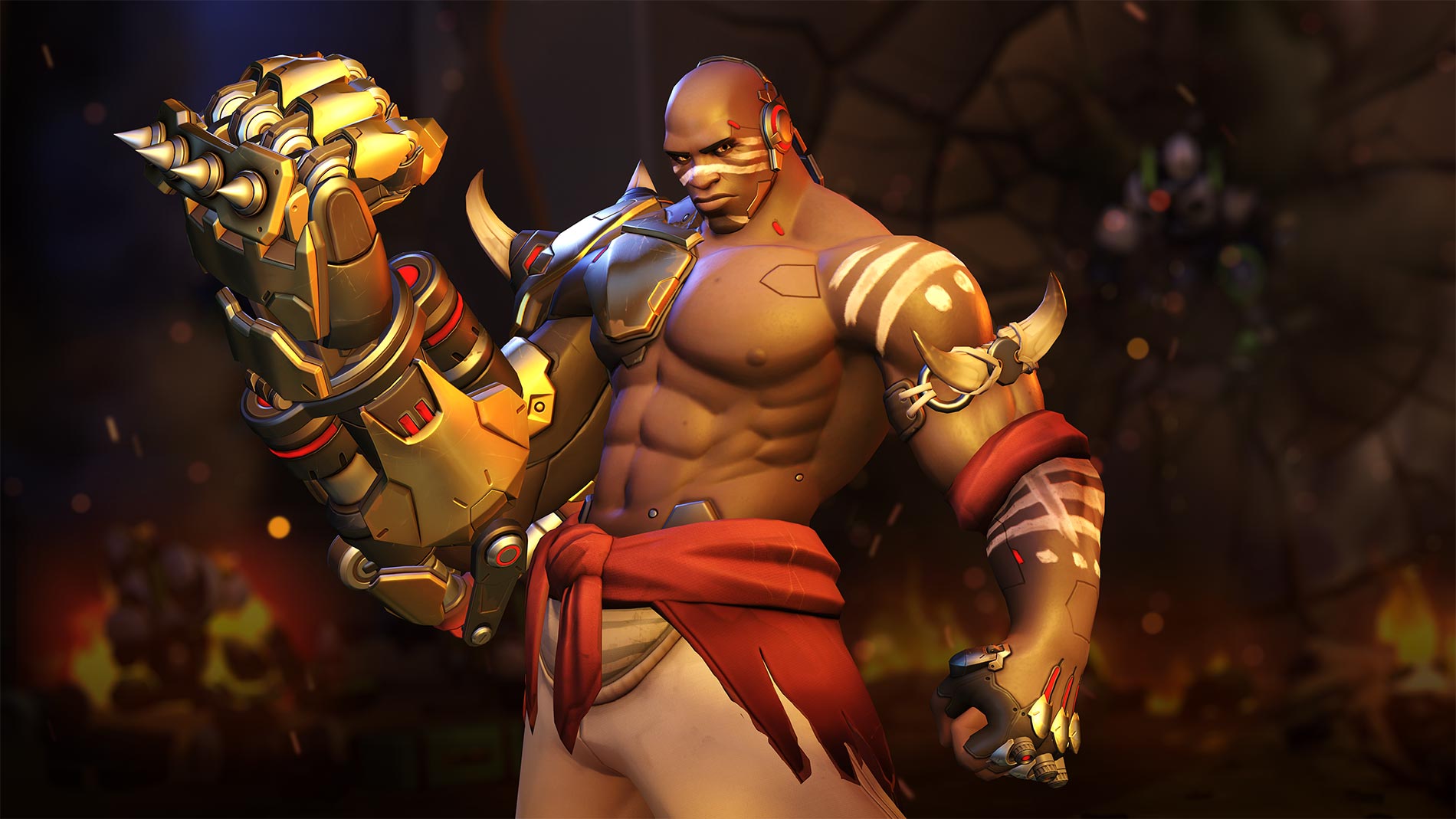
Image credit: Blizzard Entertainment, Inc.
But that’s not all. It is a team game and letting Providence (aka the matchmaker) choose team mates is a choice. If you are serious about being competitive, then putting in the effort to seeking out like minded players is worth it. There is value in playing together, learning each other’s strengths and weaknesses, and growing as a team. Allowing yourself to instead be thrown in with complete strangers and then expecting consistent results match after match is unwise.
The Value of Stability
As I said in my previous article, I play Overwatch semi-competitively and have recently started taking it more seriously. But after all’s said and done, it’s still a game that’s meant primarily to have fun. I just enjoy being competitive.
Although only a game, it has given me a practical lesson in the value of stability in a team. Investing time, not only in understanding my own strengths and weaknesses, but also that of my team helps me learn to rely on them and to step up when they need me. Coming from a solitary and meditative sport like archery, this was an interesting change of perspective.
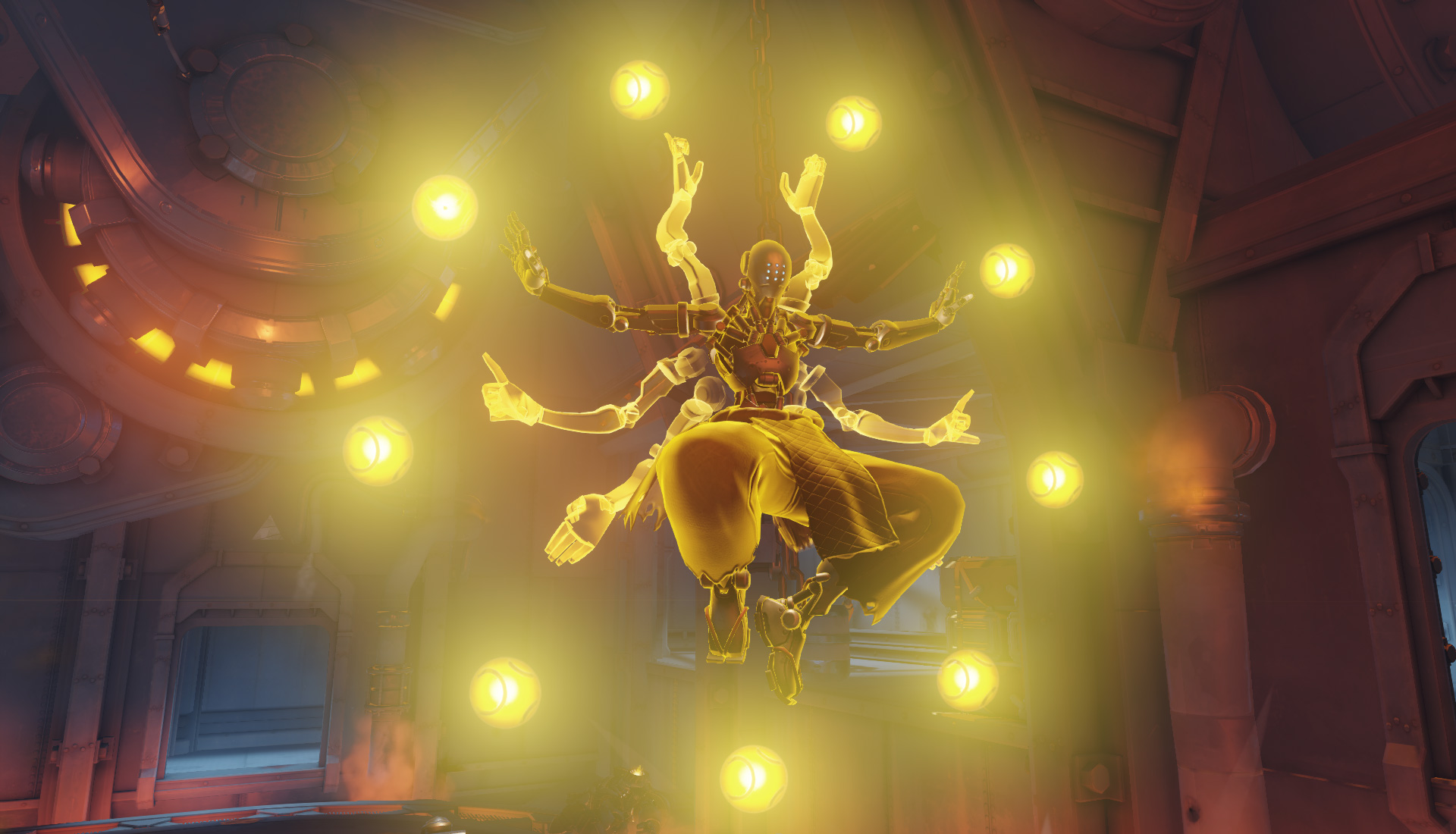
Image credit: Blizzard Entertainment, Inc.
Note: All images shown in this article are for illustrative purposes only and are copyright by Blizzard Entertainment, Inc. Each image is linked to the original source on the Overwatch website. The source for the cover image can be found here. This is not a sponsored article and I am not associated with Blizzard Entertainment, Inc. in anyway.